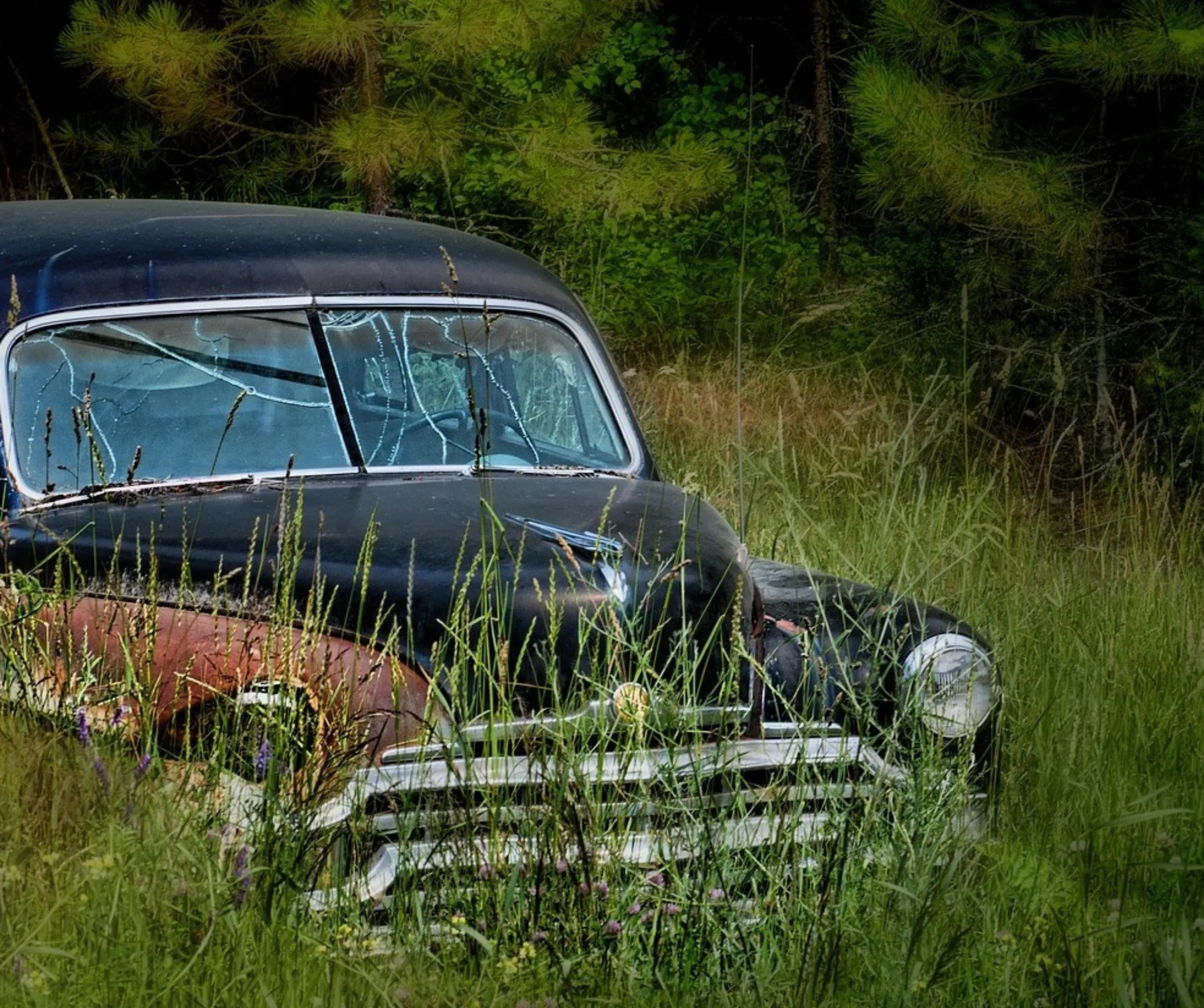
If you have a 20 year old car you may be wondering if it’s worth keeping or if it’s time to move on. Older cars carry sentimental value and can still be functional but they also come with increasing costs and limitations. This article will help you decide if keeping your 20 year old car is the right choice by looking at key factors such as maintenance costs, fuel efficiency, safety features and more.
Contents
Things Out or Break Over Time in a Car
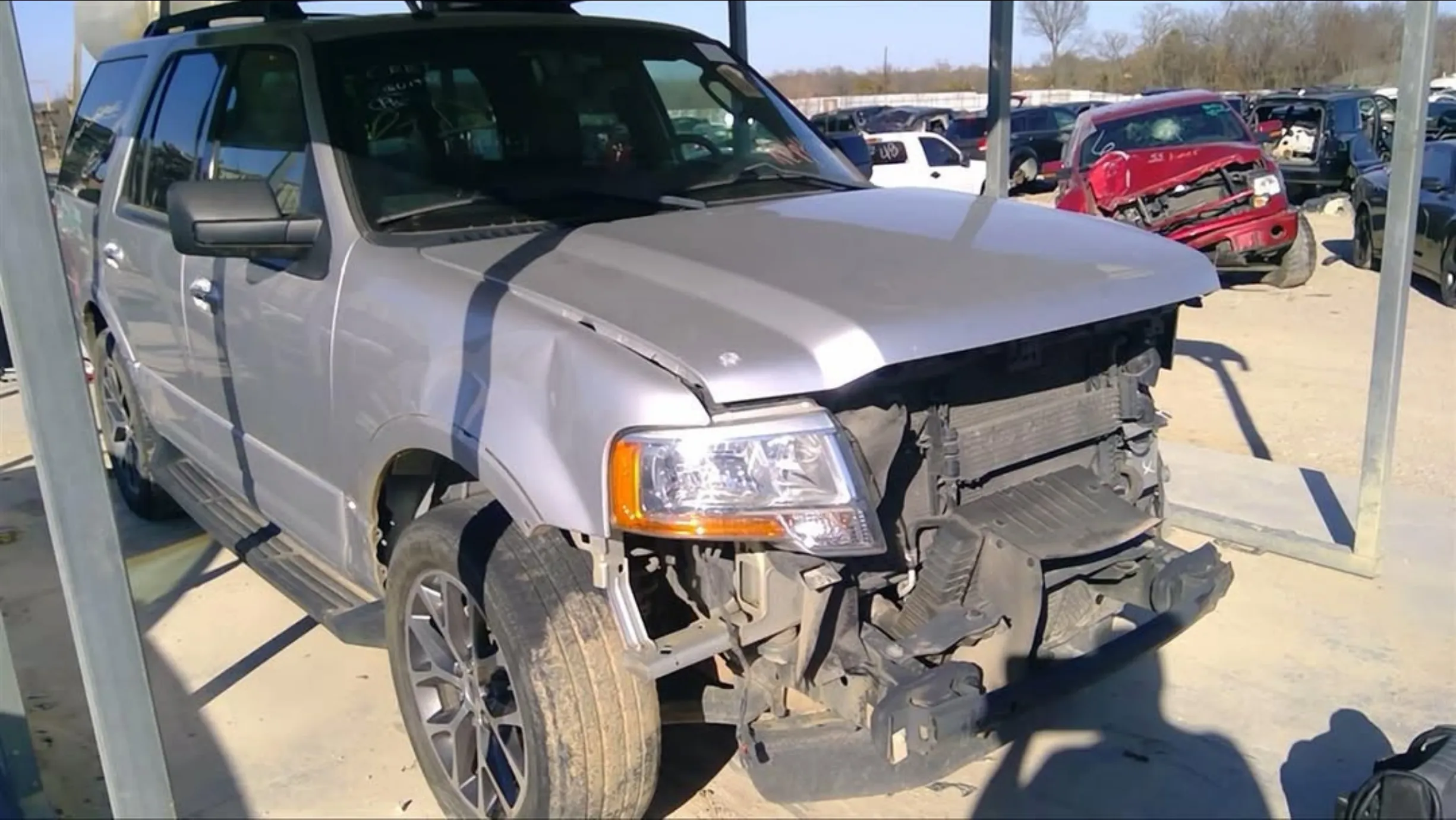
No matter how well a car is maintained age takes its toll. Over time the engine, transmission, suspension and electrical systems will start to fail. Even with regular maintenance parts will degrade and cost more to repair. Rust and corrosion can compromise the structure of the car making it less safe. Brake pads, brake lines, rubber seals and timing belts (or cam belts) will wear out and major repairs will be more likely.
Factors to Consider Before Keeping
1. Maintenance and Repairs
One of the biggest problems with older cars is the increasing cost of repairs. As parts wear out you’ll find yourself going to the mechanic more often. Some replacement parts for older models can be harder to find which means higher repair costs. Maintenance costs for an aging vehicle can add up over time and make owning one more expensive.
2. Fuel Efficiency
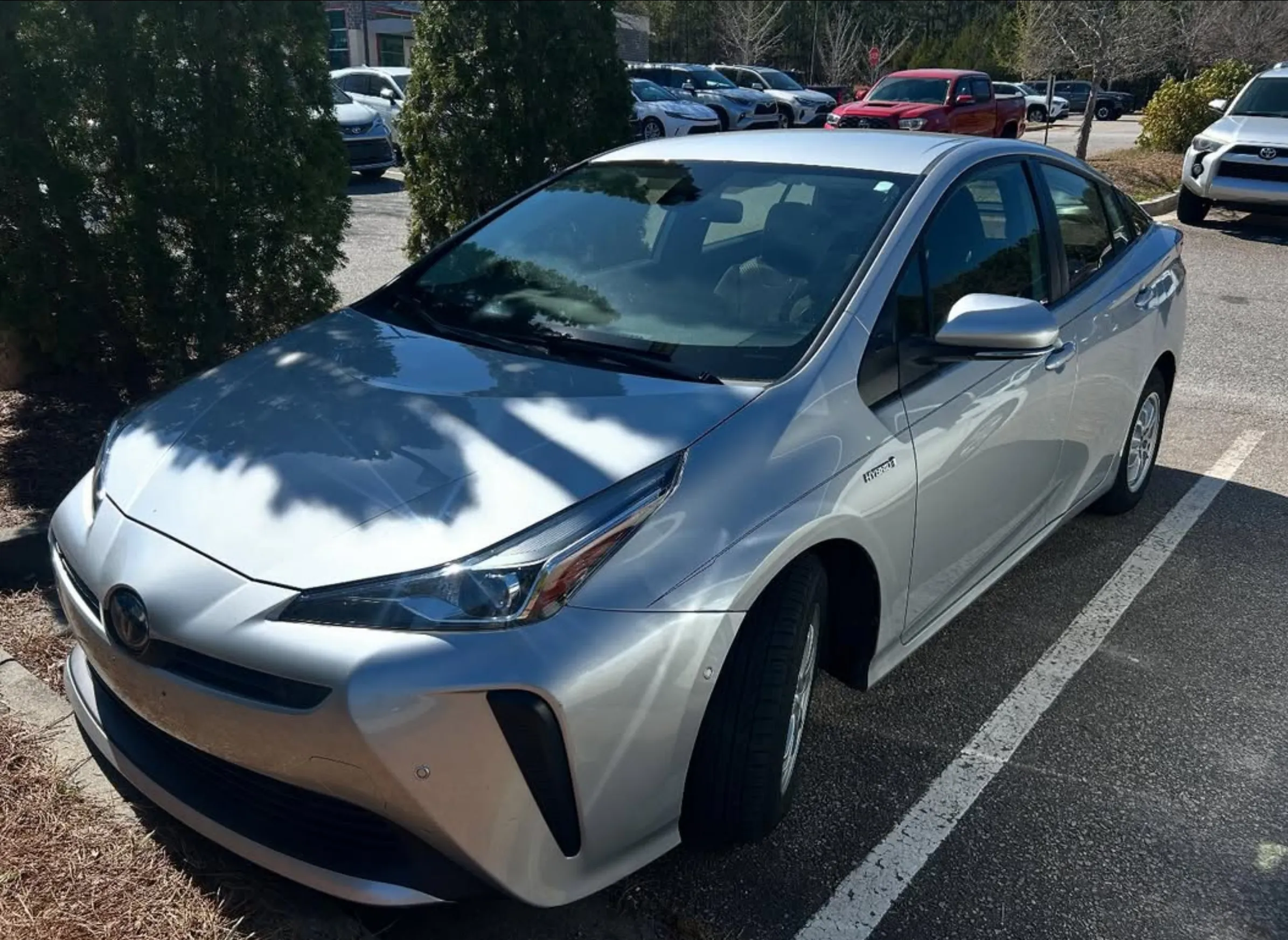
Most 20 year old cars are less fuel efficient than modern cars. Advances in engine technology, aerodynamics and hybrid or electric options make newer cars more economical. If your old car guzzles gas you might be spending more at the pump than you need to. Factors like annual fuel cost and increasing gas prices can make keeping an older car not financially viable.
3. Safety Features
Newer cars come with advanced safety features like airbags, anti-lock brakes (abs), stability control, lane departure warnings. Older cars lack these and are more of a risk in the event of an accident. Newer cars also have advanced airbag systems, curtain airbags, adaptive headlights, blind spot detection, collision warnings, rear cross-traffic warnings and automatic emergency braking. Lack of these safety features can be a huge safety concern.
4. Insurance Costs
Older cars may have lower insurance premiums because of lower market value. But in some cases insurers may charge higher rates if a car lacks modern safety features or has expensive to replace parts. Insurance coverage for an older vehicle may be harder to get and approval for coverage may be limited. Comprehensive and collision coverage may not be worth it for a 20 year old car.
5. Environmental Impact
Older cars have higher emissions and lower fuel efficiency and contribute more to environmental pollution. Newer cars are designed to meet stricter emission standards and are a more eco-friendly option. A fuel efficient car can reduce fuel costs and environmental damage.
6. Reliability and Daily Usability
If you rely on your car daily for commuting or long trips reliability is key. A 20 year old car can break down unexpectedly and cause inconvenience and extra costs. If your car needs frequent repairs it may be time to consider an alternative. Daily drivers need reliable cars and an aging car may not meet those demands.
When Should You Get Rid of a 20-Year-Old Car?
You should get rid of your old car if:
- Repair costs exceed the car’s value.
- It fails safety inspections or can’t pass emissions tests.
- It breaks down all the time and disrupts your daily routine.
- You want better fuel economy and lower maintenance costs.
- You’re spending more on fuel, insurance and repairs than you would on a new car.
- The car lacks modern features and safety advancements and is a safety risk.
What Are Your Options for an Old Car?
If you decide to part ways with your 20-year-old car here are your options:
Sell It
If your car is still in good condition you might find a private buyer or sell it through a used car dealership. Classic cars or rare cars might even be worth something to collectors. The price range for selling an old car varies depending on model, mileage, reasonable mileage and condition.
Trade It In
Many dealerships will accept trade ins which can reduce the cost of a new car. But older cars have a low trade in value. If you’re buying a second hand car or looking at sports cars trading in your current car may help offset the purchase price.
Scrap It
If your car is beyond repair selling it to a scrapyard can get you some cash for junk cars in Melbourne. Scrap yards pay for the metal and recycleable parts, it’s a practical option. Dealers with floor plan financing may be interested in scrapping high mileage cars. If you want a hassle free way to get rid of your car services that offer Old Cars Removed in Melbourne can make the process easy and convenient.
Donate It
Some charities accept old cars as donations. You may also get a tax deduction when you donate your car to a registered charity. This option is for those who are penny wise but don’t want to be pound foolish when it comes to disposal methods.
Conclusion
Deciding to keep a 20 year old car depends on many factors – repair costs, fuel efficiency, safety and overall reliability. If maintaining the car is getting too expensive or inconvenient, selling, trading or scrapping it might be the better option. Assess your needs and financial situation to make the best decision for you.
FAQ
Is a 20 year old car still reliable?
A well maintained 20 year old car can still be reliable but depends on mileage, maintenance history and overall condition of the vehicle. Keep a maintenance record to track repair bills and schedule regular maintenance.
How much is a 20 year old car worth?
Value of a 20 year old car depends on make, model, condition and demand. Some older cars especially classics may retain or even increase in value. List price and dealer ballpark figures will determine how much you can get for it.
Will a 20 year old car pass an emissions test?
Older vehicles are more likely to fail emissions test especially if not properly maintained. If a car doesn’t meet emission standards, costly repairs may be needed. Brake pads, brake lines and cam belts should be checked first.
Is it cheaper to fix an old car or buy a new one?
In some cases minor repairs can keep an old car running at a lower cost. But if repairs become frequent and expensive, buying a newer and more fuel efficient car may be the better financial decision. Finance rate, insurance policy terms and finance company approvals will also play a role in the decision.
What’s the best way to get rid of an old car?
Depends on the condition of the car. Selling or trading it in will give you some cash while scrapping or donating it will be a hassle free way to dispose an unusable vehicle. If the car has flat tires, frequent tire rotation or a violent crash, scrapping might be the safest option.