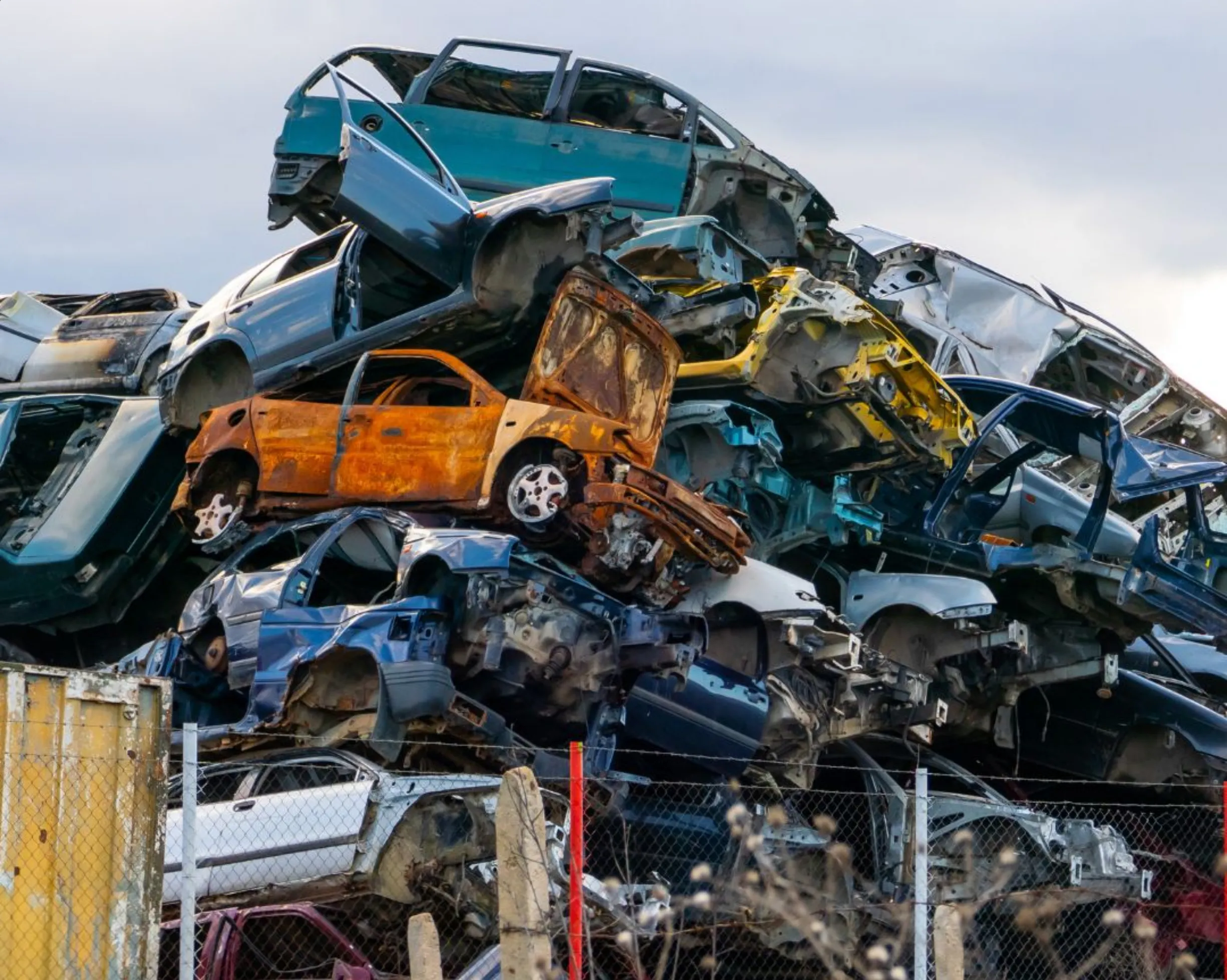
So you ever wondered what happens to old, damaged or unwanted cars? The answer is often auto wreckers. Auto wreckers play a big part in the automotive industry by dismantling end of life vehicles and recycling parts. They reduce waste, protect the environment and provide an affordable way for car owners to get rid of their vehicles — especially for those searching for “old car removal near me“.
Contents
What are Auto Wreckers
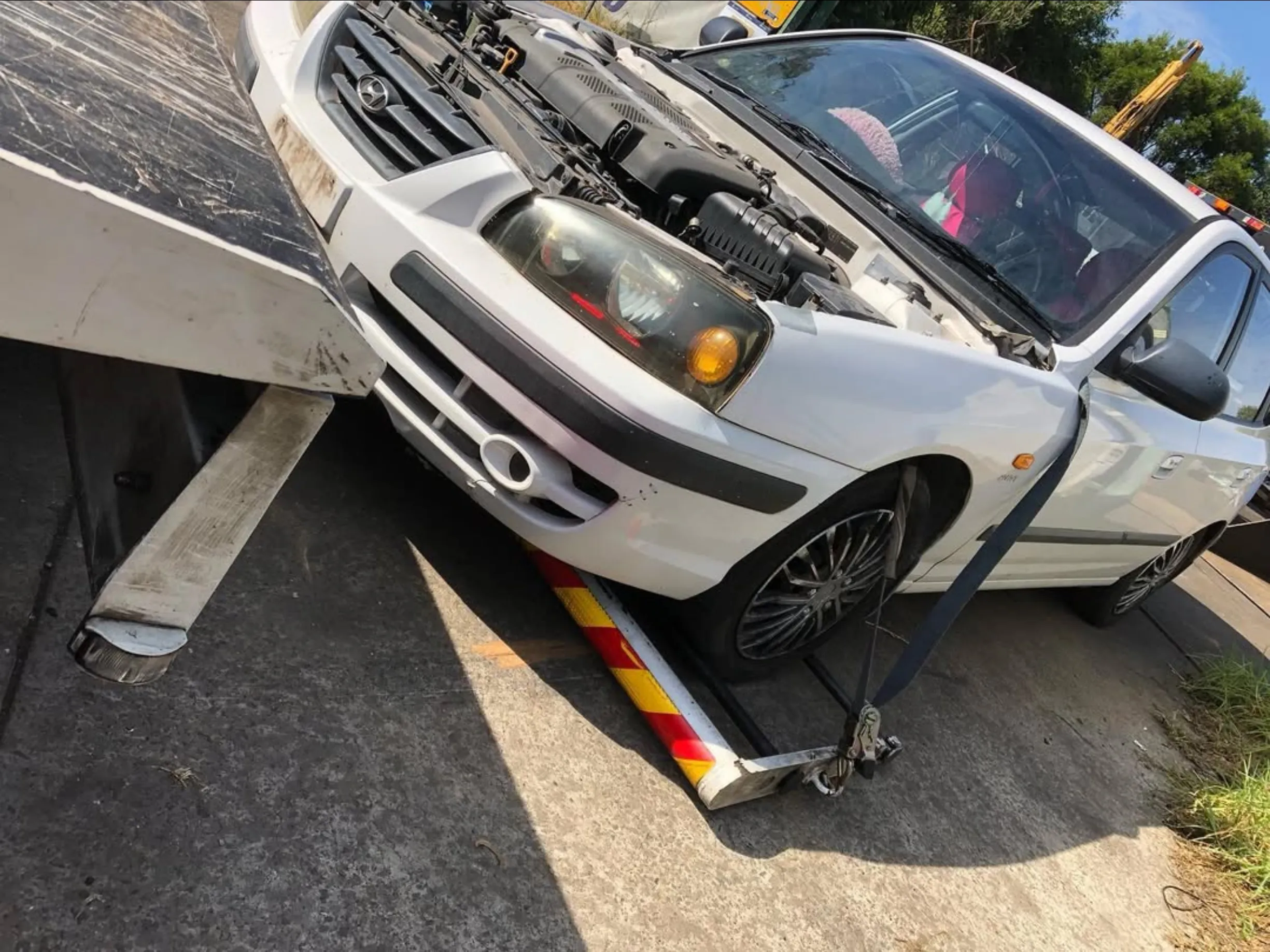
Auto wreckers, also known as car wreckers or vehicle recyclers, are businesses that specialise in dismantling old, junk or wrecked cars. Their main goal is to pull out usable parts, recycle metal and other materials and safely dispose of hazardous components. This supports the automotive industry and sustainable environmental practices. Auto wreckers operate wrecking yards, salvage yards and junk yards to properly dispose of inoperable vehicles, scrap cars and damaged vehicles. If you need Old Cars Removed in Melbourne auto wreckers is the quick and hassle free solution.
How Auto Wreckers Work
Auto wreckers follow a process to ensure efficiency and environmental compliance. Here’s how:
1. Vehicle Collection
Auto wreckers collect vehicles from individual car owners, insurance companies and auto dealerships. Most of the vehicles they handle are beyond repair or no longer roadworthy. If you want to get rid of your old car, contact an auto wrecker for quick removal and instant cash offer. The collection process ensures the safe disposal and recycling of vehicles as per industry standards.
2. Evaluation & Dismantling
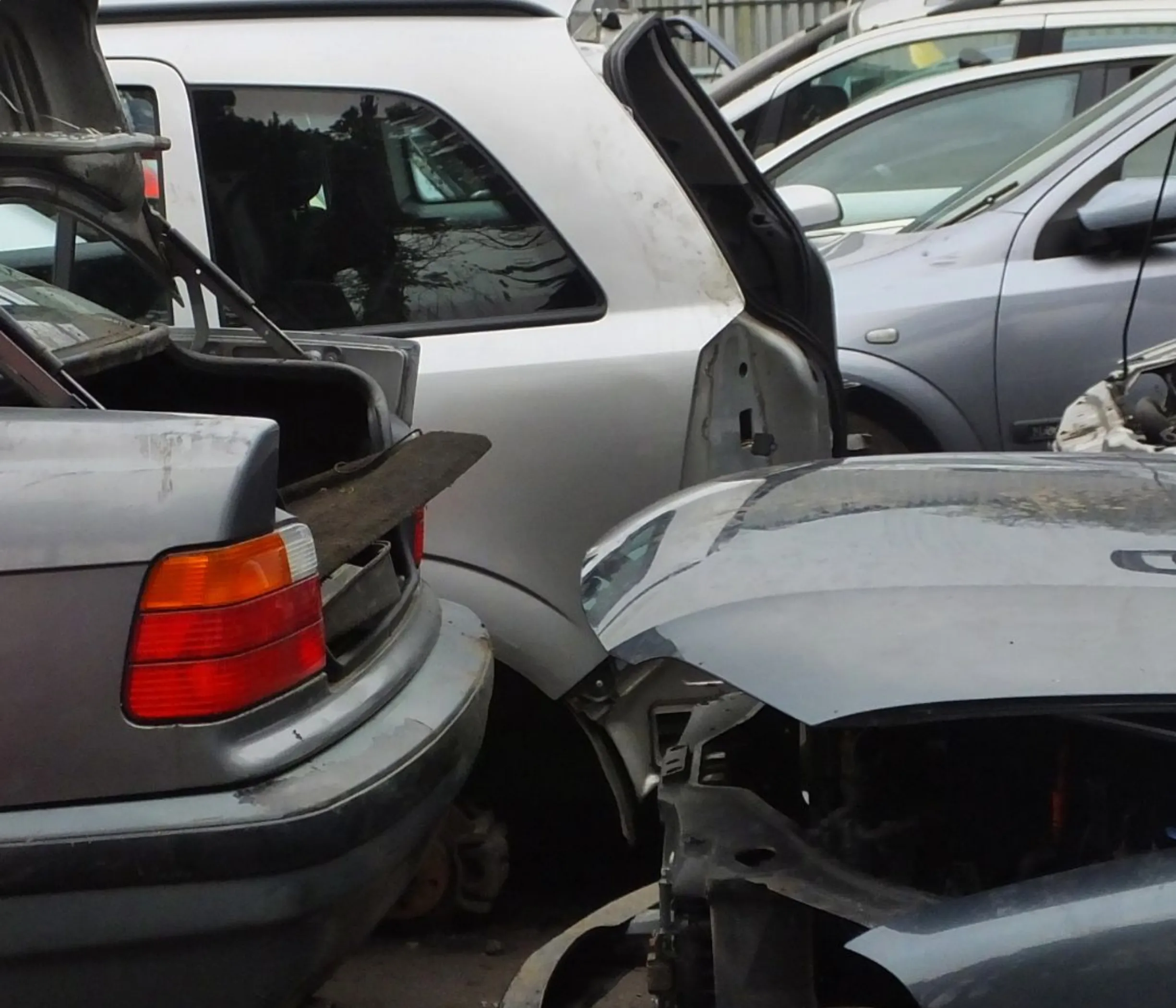
Once the vehicle reaches the wrecking yard, it undergoes an assessment to determine which parts can be salvaged. Mechanics and knowledgeable staff dismantle the car, extracting usable components such as engines, transmissions, catalytic converters, electronic modules and other quality components. Fluids like oil, coolant and fuel are safely drained and disposed to minimize environmental impact.
3. Recycling & Disposal
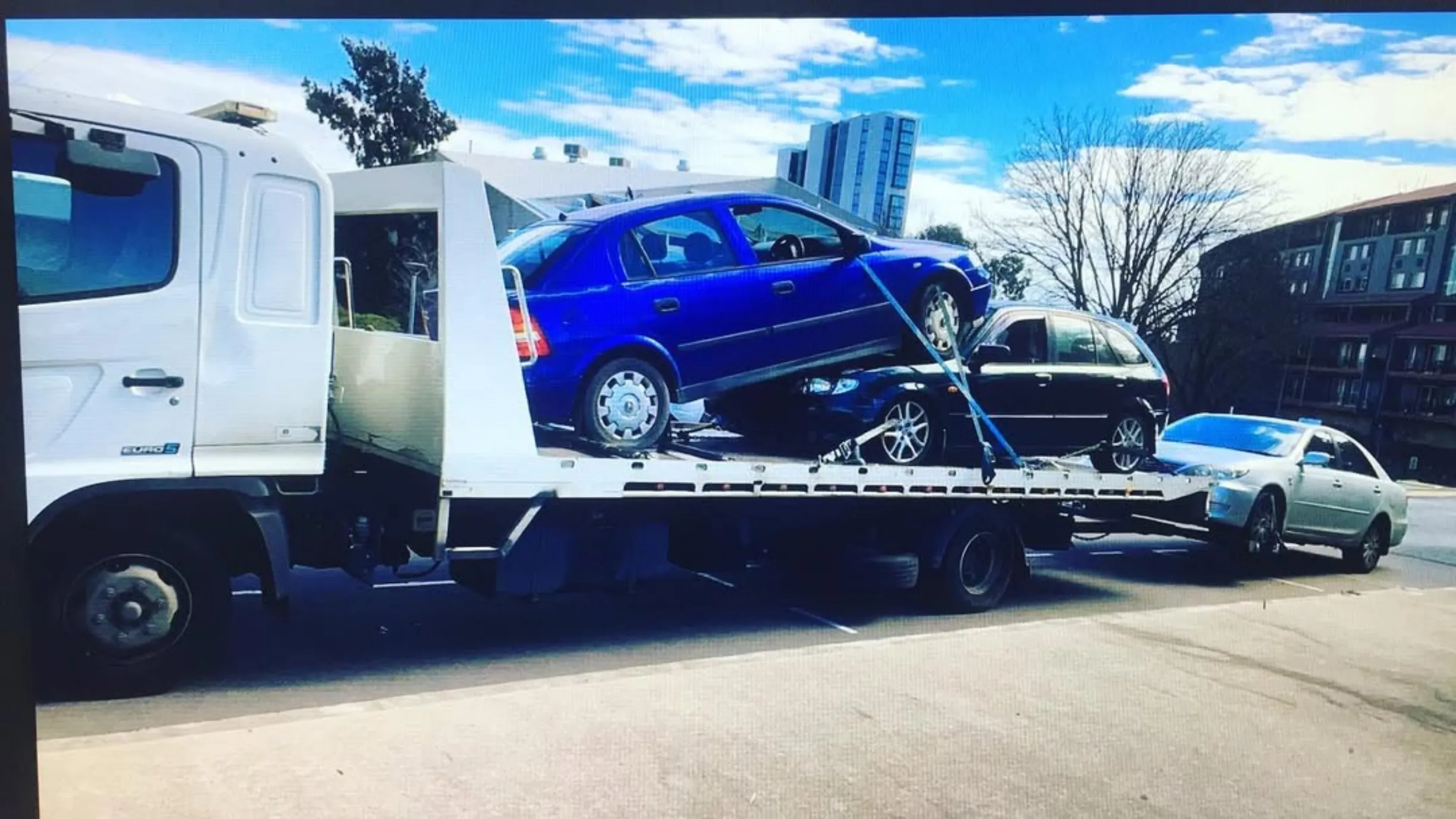
After usable parts are removed, the vehicle frame is sent for recycling. The metal is crushed and repurposed to make new products, reducing the need for raw materials. Hazardous substances like mercury switches and lead acid batteries are disposed as per environmental regulations. This eco-friendly disposal process ensures proper disposal according to automotive parts recyclers’ standards.
4. Selling Used Parts
One of the main function of auto wreckers is selling second hand car parts. Many vehicle owners and mechanics go to wrecking yards to find affordable and genuine used parts at competitive prices. This helps car owners save money on repairs and reduces waste by giving auto components a second life. Auto wreckers provide an affordable solution by offering wide range of auto repair manuals & manufacturer guides for buyers.
The Environmental and Economic Benefits
Auto wreckers have many benefits for the environment and the customer. Here are some of the advantages:
1. Eco-Friendly Disposal
By recycling cars, auto wreckers reduce landfill waste and pollution. Proper disposal has minimal environmental impact and safety for the public.
2. Cash for Your Car
Auto wreckers is a quick and easy way to sell unwanted cars, offering real cash to car owners based on the vehicle’s condition, mileage, vehicle status and original price.
3. Convenient and Hassle Free
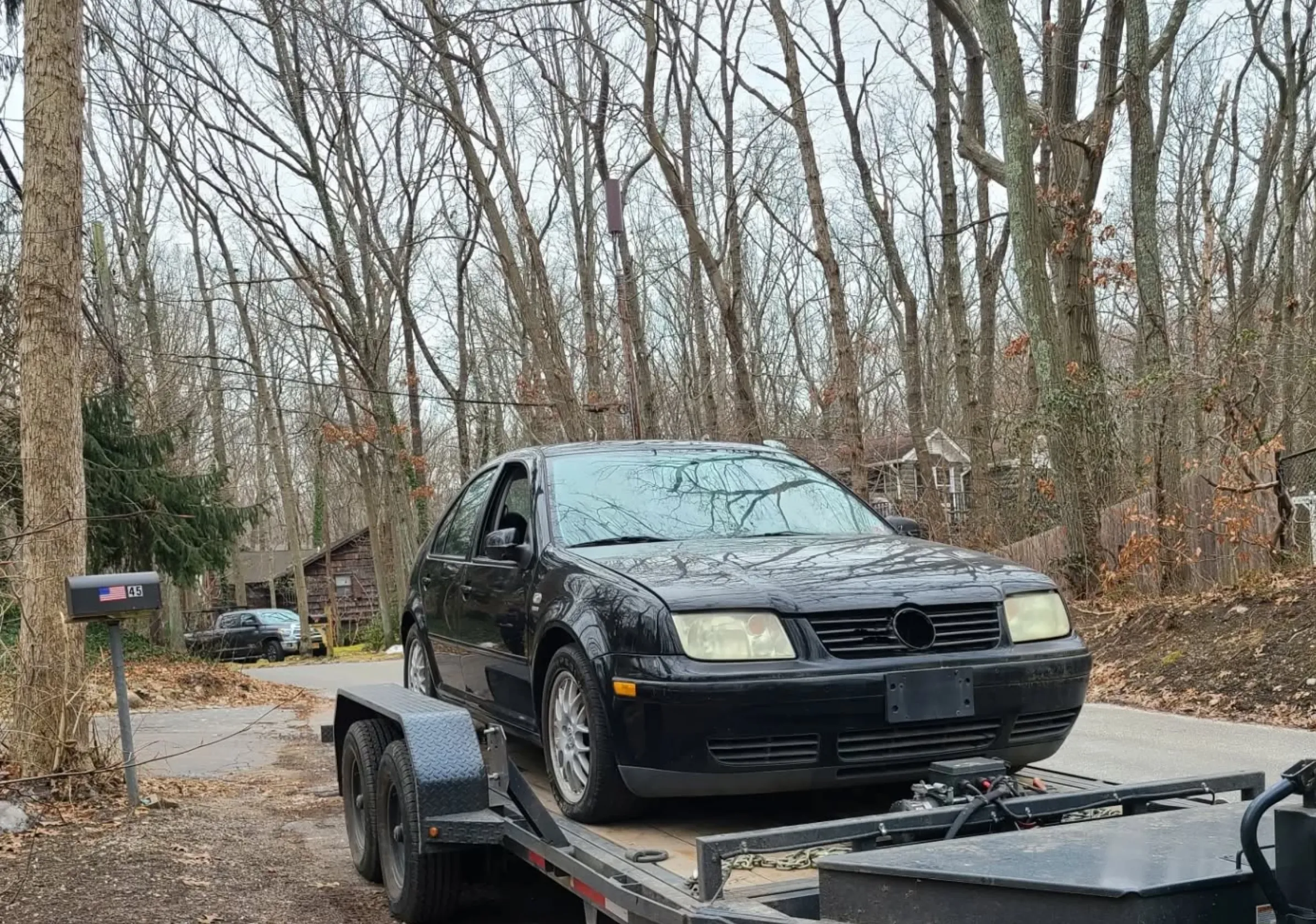
Car wrecking companies will take care of the car removal to paper work so car owners can dispose of their old cars within a reasonable time.
4. Affordable Parts and Components
Auto wreckers supply used parts at a fraction of the price of new ones, making car repairs more affordable. This is a benefit for car owners and mechanics looking for a reliable solution.
5. Supporting Local Businesses
By buying parts from local auto wreckers, customers are supporting their local economy and small businesses that operate under service agreements and industry standards.
6. Environmental Compliance
Auto wreckers operate under environmental regulations to manage hazardous waste responsibly, reduce pollution and conserve natural resources. They comply with renewal authorization requirements and request for renewal process set by environmental agencies.
Conclusion
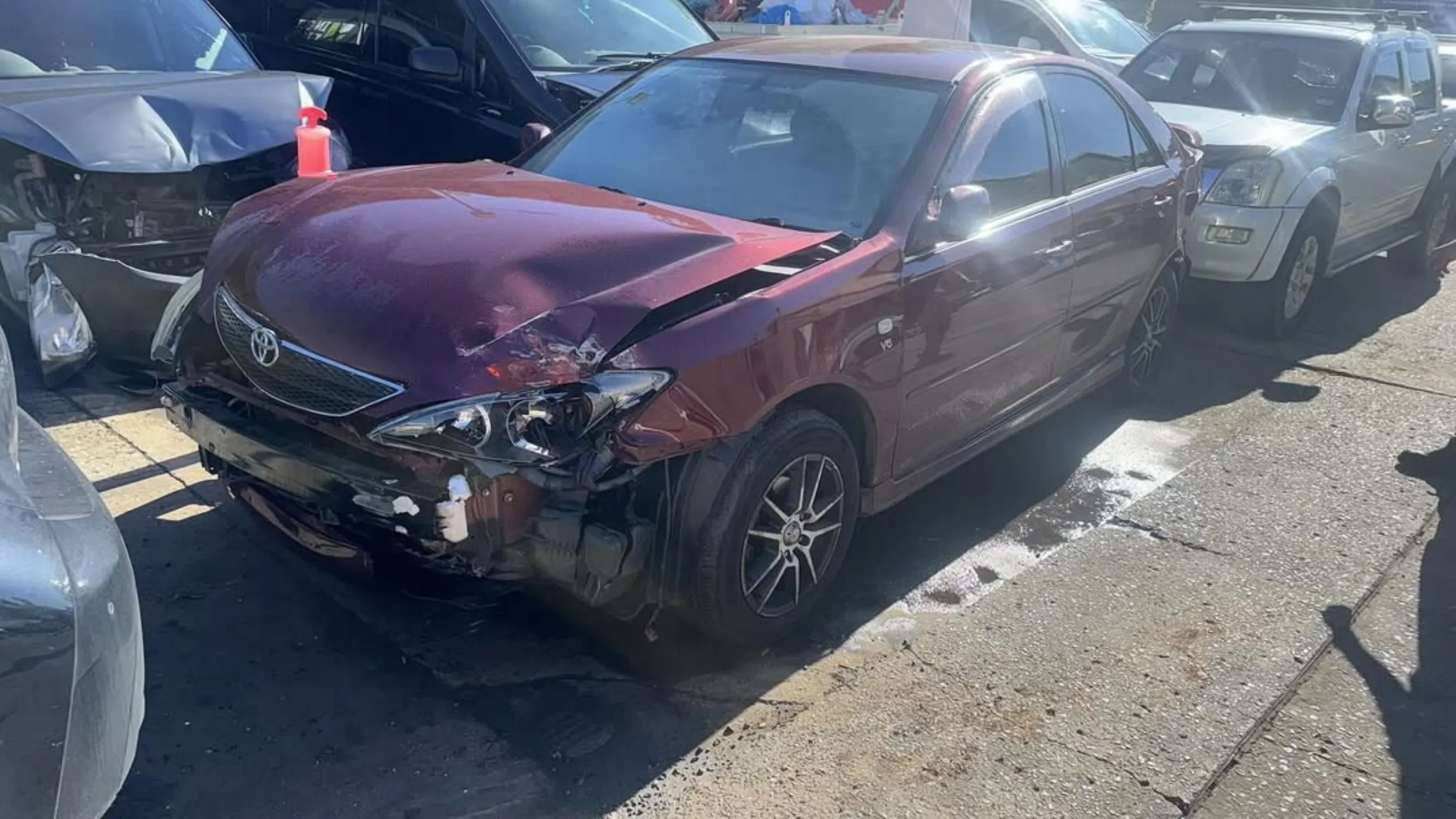
Auto wreckers are an important part of the automotive industry and environmental conservation. By dismantling old vehicles, recycling materials and reselling parts they provide an efficient and sustainable solution for getting rid of unwanted cars. Whether you need to get rid of an old car or find cheap parts, auto wreckers are a valuable service for car owners and the planet. Their role in organized car yards, storage lot authorization holder compliance and wrecker driver trainee license requirements means they meet industry standards for safety and reliability.
FAQ
What types of vehicles do auto wreckers accept?
Auto wreckers accept all types of vehicles, cars, trucks, vans and SUVs regardless of condition. They also do heavy duty wreckers, 4WD wreckers and light mode vehicles.
How much can I get for my old car?
The price depends on make, model, year and condition of the vehicle. Auto wreckers offer competitive cash payments based on the actual cash value of the car.
Do I have to drop off my car to the wrecker’s yard?
No, most auto wreckers provide free towing and will pick up your car from your location whether it’s in a city with persons eligible for service or within a service life agreement location.
What happens to the parts removed from wrecked vehicles?
Usable parts are cleaned, tested and sold as cheap second hand parts for repairs and replacements so consumers can get affordable prices.
Is selling my car to an auto wrecker environmentally friendly?
Yes, auto wreckers follow eco friendly disposal practices by recycling metals, disposing of hazardous materials and reducing automotive waste. They comply with environmental impact guidelines and public safety regulations.