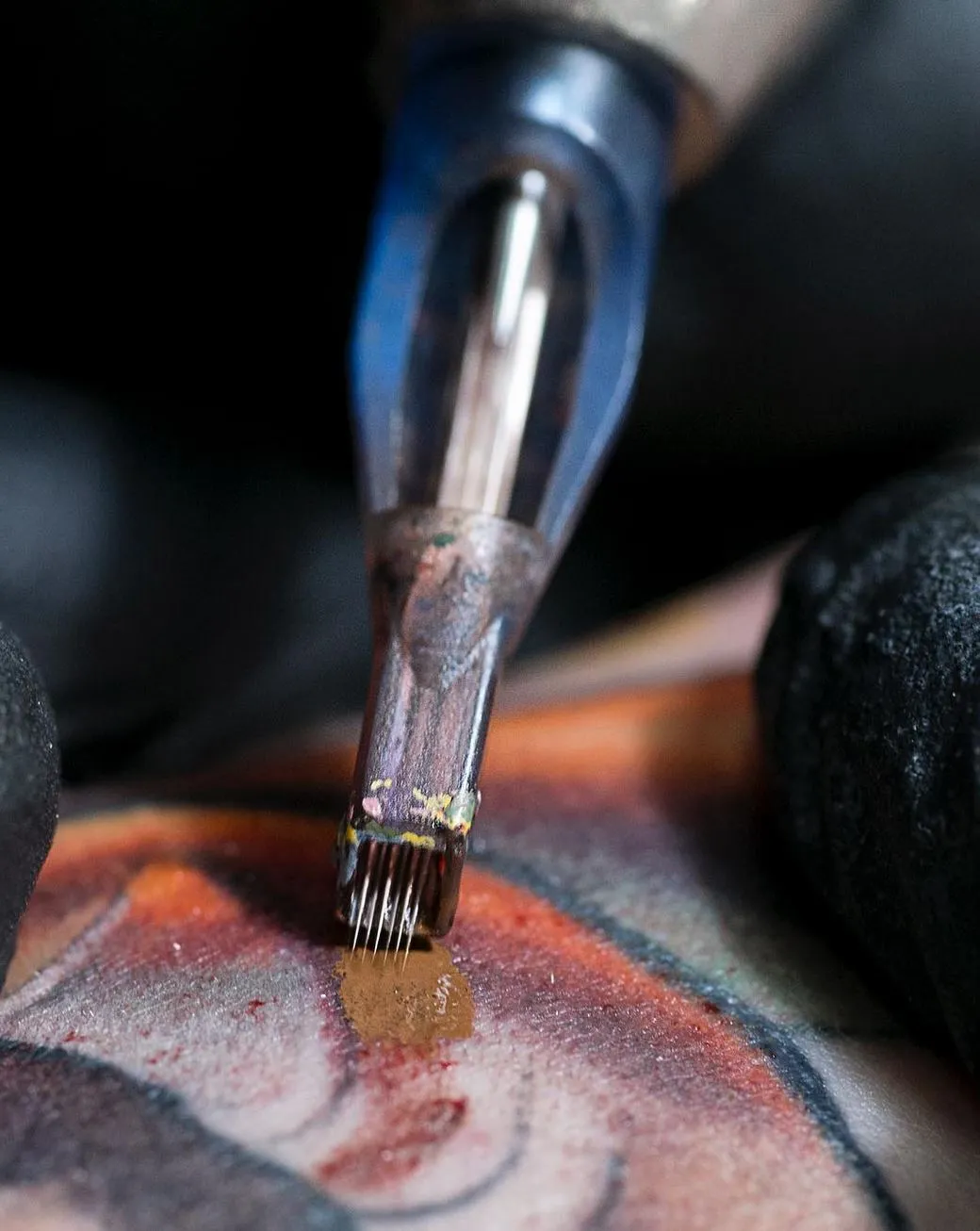
Have you ever wondered — Can a tattoo needle hit a vein? — I have. As a cosmetic tattoo artist in Melbourne for almost a decade, I’ve been asked this question more times than I can count. It’s usually from clients who are nervous about their first cosmetic tattoo or curious about how deep these tiny precision tools actually go. In today’s article, I, Olha Po, will take you through how tattoo needles work, how close they get to your veins and the safety measures we use at Cosmetic Tattoo Studio Melbourne Face Figurati to keep every procedure safe.
This isn’t just theory — it’s based on hundreds of real procedures I’ve done, from delicate lip blushes to precise eyeliner and natural-looking brows. At Cosmetic Tattoo Studio Melbourne Face Figurati, we treat every cosmetic tattoo as a piece of art, precision and safety. We’ll go through skin anatomy, healing process, potential risks and when you might need a healthcare provider’s input. By the end, you’ll know what’s happening beneath your skin during a cosmetic tattoo — whether your skin is as smooth as a blank canvas or you have visible dark veins.
Contents
- 1 Skin Anatomy and Vein Placement
- 2 How Tattoo Needles Work — And Why Depth Matters
- 3 Spotting Risks Before Tattooing
- 4 What Happens If a Needle Hits a Capillary or Vein?
- 5 Potential Risks and When to Seek Medical Advice
- 6 How Professionals Avoid Hitting Veins
- 7 Healing Process After Minor Vein or Capillary Trauma
- 8 Aftercare for Optimal Healing
- 9 When Medical Intervention May Be Needed
- 10 Final Thoughts — Safety is in the Skill
- 11 FAQ
Skin Anatomy and Vein Placement
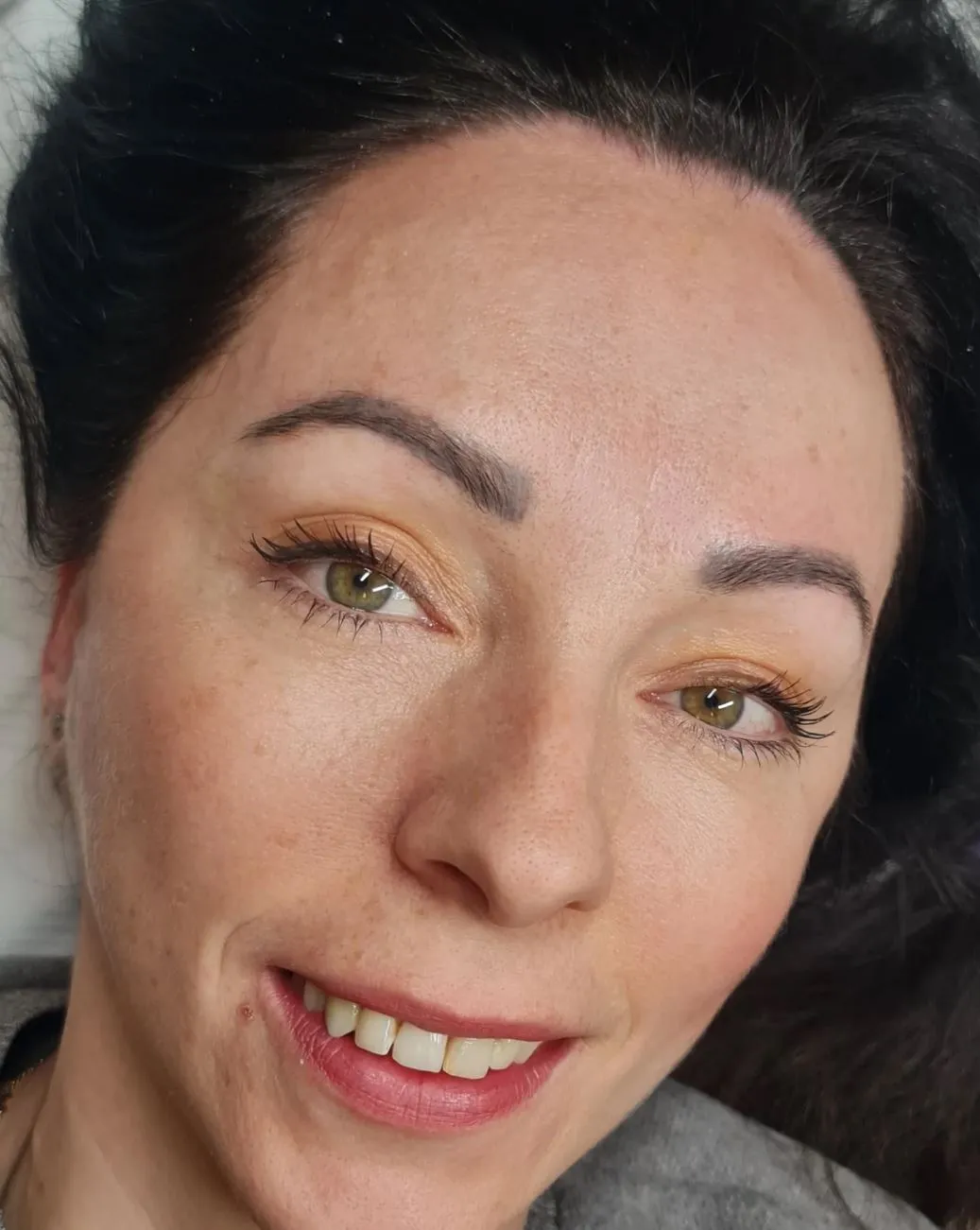
Your skin is not just a flat surface — it’s a living, multi-layered structure. To understand the risk of a tattoo needle hitting a vein, let’s break down the skin’s layers:
- Epidermis – The outer layer you can see.
- Dermis – Where cosmetic tattoo pigment is placed. This layer has hair follicles, sweat glands and small blood vessels (capillaries).
- Subcutaneous Layers – The fatty tissue beneath, with larger blood vessels and veins.
Most visible veins (like the dark veins on the inside of your wrist) sit deeper than the dermis. Tattoo needles are designed to deposit pigment only into the upper to mid-dermis, avoiding deeper layers where veins are located.
| Skin Layer | Average Depth | Contains Veins? |
|---|---|---|
| Epidermis | 0–0.1 mm | No |
| Dermis | 0.1–2.5 mm | Small capillaries |
| Subcutaneous Fat | 2.5 mm+ | Larger veins |
Professional tattoo artists know the skin anatomy and use precision tools to keep the needle depth within safe limits to avoid trauma to the vein walls.
How Tattoo Needles Work — And Why Depth Matters
Cosmetic tattoo needles don’t inject ink like a medical syringe. They use a rapid up-and-down motion to implant pigment into the dermis. In my studio, we work at a controlled depth — usually between 0.8 mm and 1.5 mm depending on skin type and area.
Too shallow, and the pigment fades quickly. Too deep and you risk:
- Excessive bleeding (hitting capillaries or damaging a vein wall)
- Scarring or skin trauma
- Unwanted pigment migration (blurring)
For perspective, most veins are deeper than 2.5 mm, so hitting them with correct technique is rare. This is why professional tattoo artists study skin anatomy and machine control — the key to safe, beautiful cosmetic tattoo results.
Spotting Risks Before Tattooing
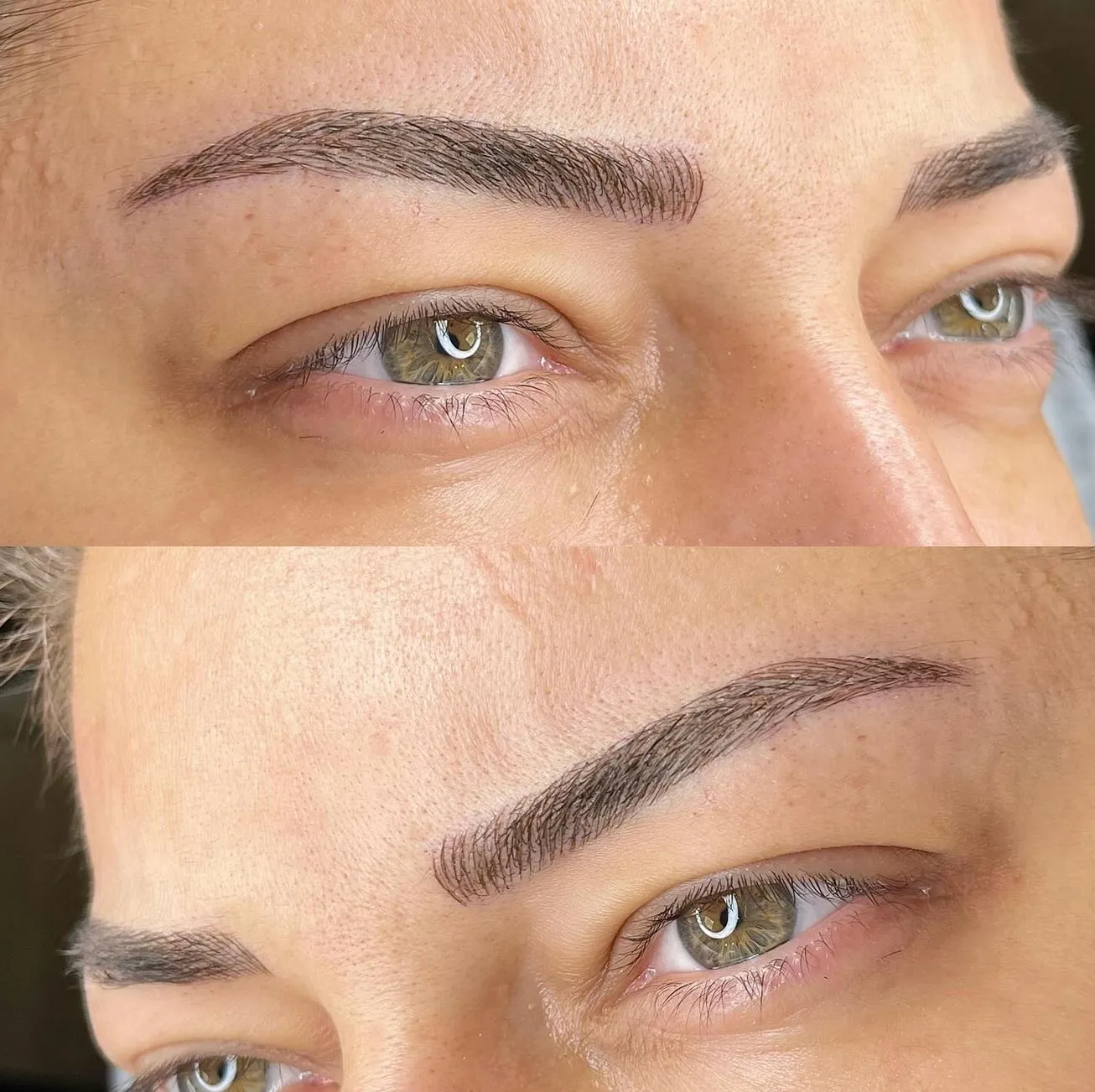
One of the first things I do before starting a lip, brow or eyeliner cosmetic tattoo is assess the area for visible veins. This is especially important for:
- Fair or thin skin (veins may be more visible)
- Mature skin, where skin elasticity changes, can make veins more prominent
- Areas prone to vascularity, like inner lips or temple regions
- Varicose veins in or near the treatment area
When I did a lip blush cosmetic tattoo on a client with dark veins visible through her lip skin, I adjusted my needle depth and placement to avoid trauma. This kind of tattoo vision — the ability to see risks before needle contact — comes with years of experience at Cosmetic Tattoo Studio Melbourne Face Figurati.
What Happens If a Needle Hits a Capillary or Vein?
If a tattoo needle nicks a capillary, you might see a small pinpoint of bleeding — this is normal and stops quickly. Your body starts the healing process immediately.
If in the rare case a needle hits a vein, you might see:
- A brief flow of darker blood
- Minor swelling or bruising in the area
Usually, the body heals on its own. But if bruising is extensive or swelling lasts an extended period, I recommend seeing a healthcare professional or vein specialist to rule out complications.
Potential Risks and When to Seek Medical Advice
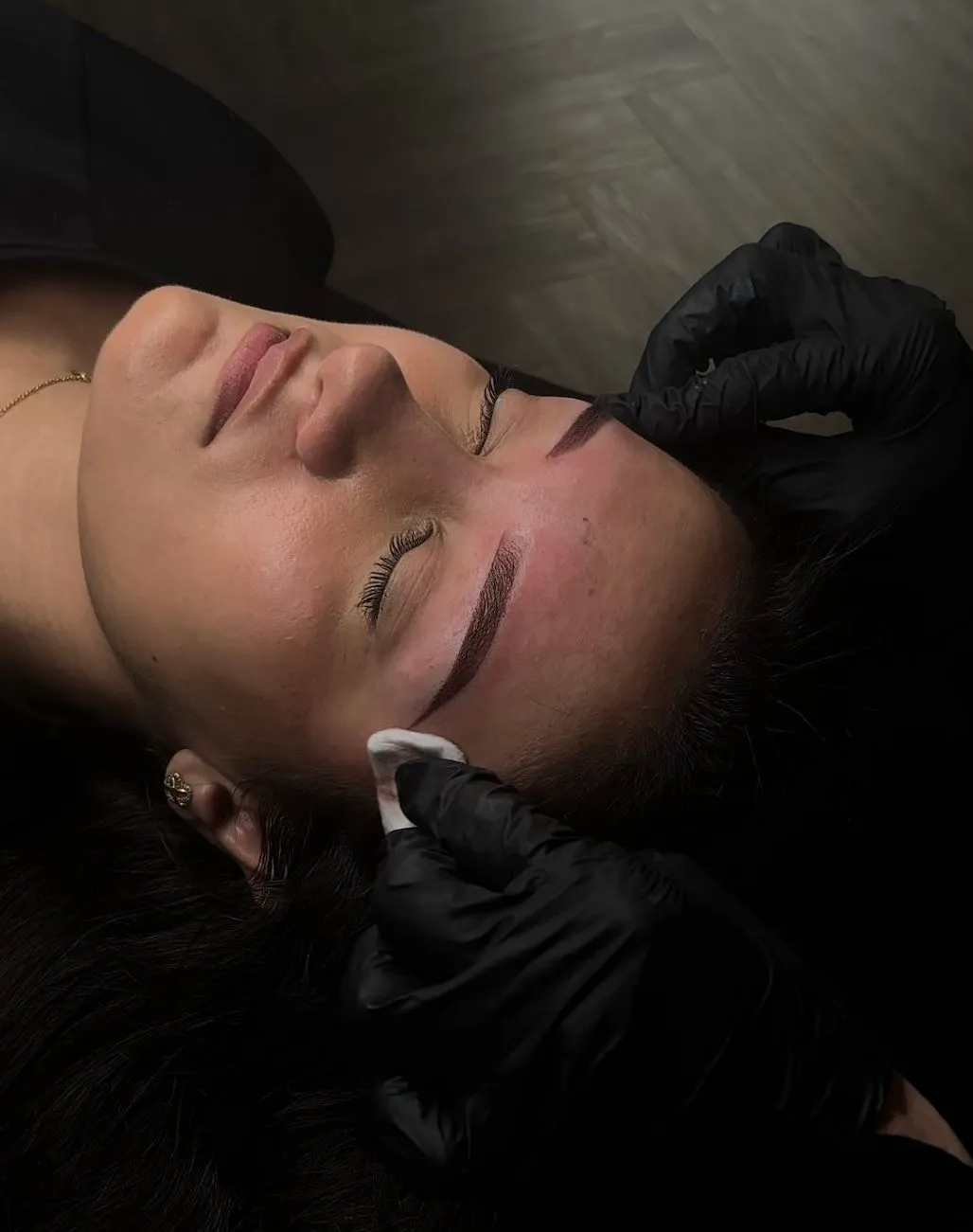
While cosmetic tattooing is safe, there are circumstances where vein injury risk is higher:
- Pre-existing varicose veins in the tattoo area
- Blood-thinning medication
- Certain medical conditions that affect the vein wall or its healing process
See a doctor if you experience:
- Swelling that lasts more than a week
- Pain that gets worse, not better
- Signs of infection (heat, redness, pus)
Tattoo artists are not doctors — if something feels off, see a doctor.
How Professionals Avoid Hitting Veins
At Cosmetic Tattoo Studio Melbourne Face Figurati, we use:
- Detailed skin mapping before needle contact
- Precision tools with adjustable needle depth
- Good lighting and magnification to see vein patterns
- Technique control to work in the upper dermis only
We also have clients fill out an online form before their cosmetic tattoo appointment to declare any health conditions that could increase the risk of vein injury, skin trauma or delayed healing.
Healing Process After Minor Vein or Capillary Trauma
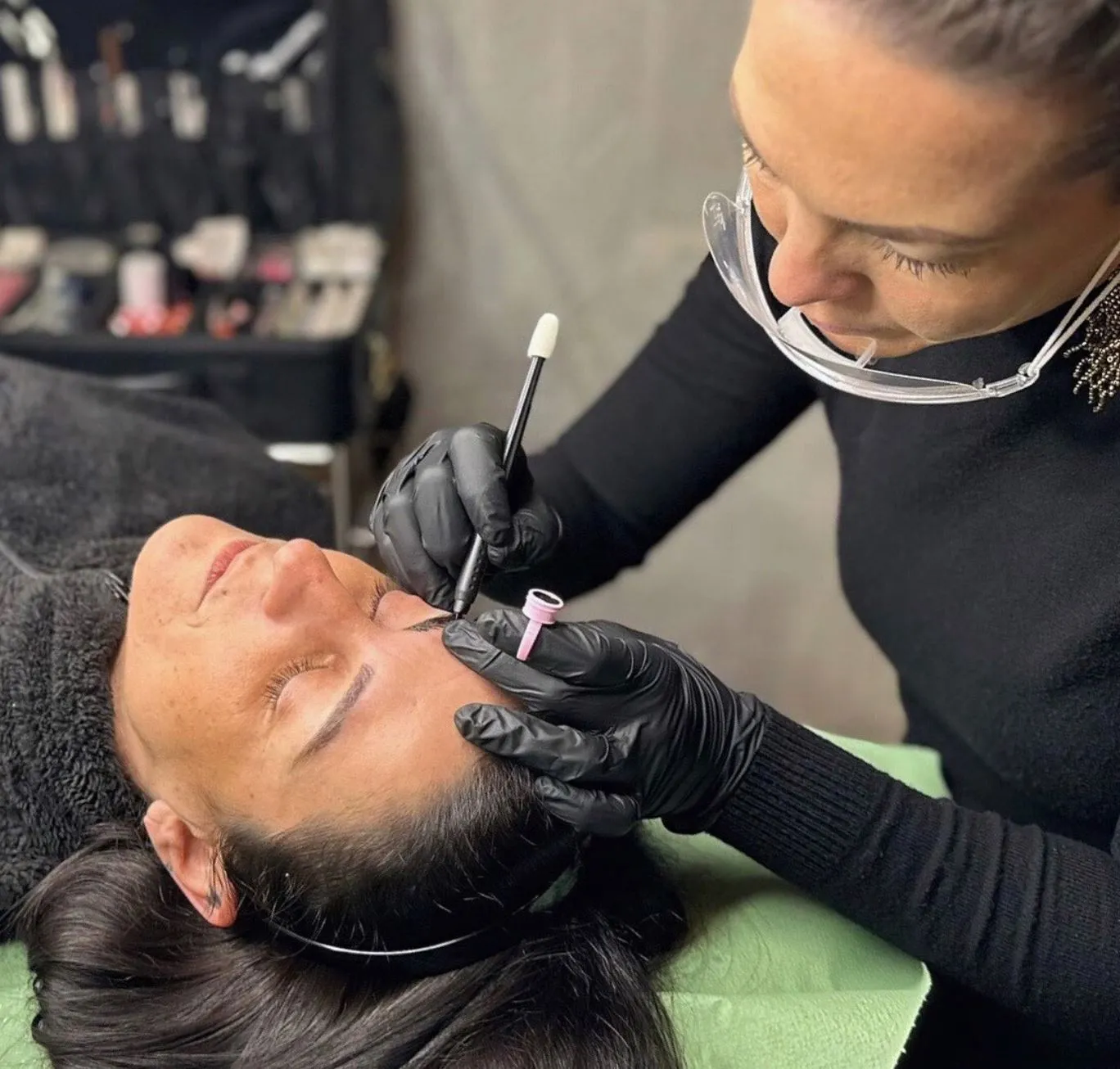
Even with the best technique, a tiny capillary may get bumped during tattooing. Here’s what happens:
- Immediate Response – A drop of blood may appear; pressure stops it within seconds.
- Early Healing (Days 1–3) – Mild redness or swelling may occur.
- Bruising Stage – A small bruise may form, fading within 5–7 days.
- Full Recovery – The area returns to normal as pigment settles.
The healing process is usually smooth, but aftercare is key to avoid complications that may require medical attention.
Aftercare for Optimal Healing
Whether or not a vein was hit, aftercare reduces complications:
- Keep the area clean and dry for the first 24 hours.
- Don’t touch with unwashed hands.
- No makeup over the cosmetic tattoo until fully healed.
- Avoid strenuous exercise and heat exposure for 48 hours (prevents excess blood flow to the area).
- Follow the balm application schedule I provide.
When Medical Intervention May Be Needed
In rare cases where a vein injury causes prolonged swelling, unusual bruising or skin health concerns, a healthcare professional or vein specialist may recommend:
- Anti-inflammatory medication
- Cold compress therapy
- Monitoring for infection
- Invasive procedures (only when necessary) to repair vein wall damage
Final Thoughts — Safety is in the Skill
So can a tattoo needle hit a vein? Technically yes, but in professional cosmetic tattooing — especially with modern precision tools — it’s highly unlikely when done correctly. The difference is skill, knowledge of skin anatomy and technique. At Face Figurati, we treat every cosmetic tattoo as if your skin is a precious blank slate — and my job is to keep it safe while getting you amazing results. If you’re thinking of getting a cosmetic tattoo in Melbourne and have vein concerns, fill out the form and book a consult so we can take a look at your skin together.
FAQ
Will hitting a vein during a tattoo ruin the design?
No. Bruising will fade, and pigment placement in the dermis remains intact.
Can lip blush cause more bruising than brow tattooing?
Yes. Lips have more vascular tissue, so they may bruise a bit more.
Should I avoid tattoos if I’m on blood thinners?
Not necessarily, but you must get medical clearance as the bleeding risk is higher.
How do I know if my skin is too thin for tattooing?
Your artist can assess this during a consult — in most cases technique can make it safe.
Is there a difference in risk between cosmetic and body tattoos?
Yes — cosmetic tattoos use shallower needle depths, so vein puncture is less likely than in some body art placements.