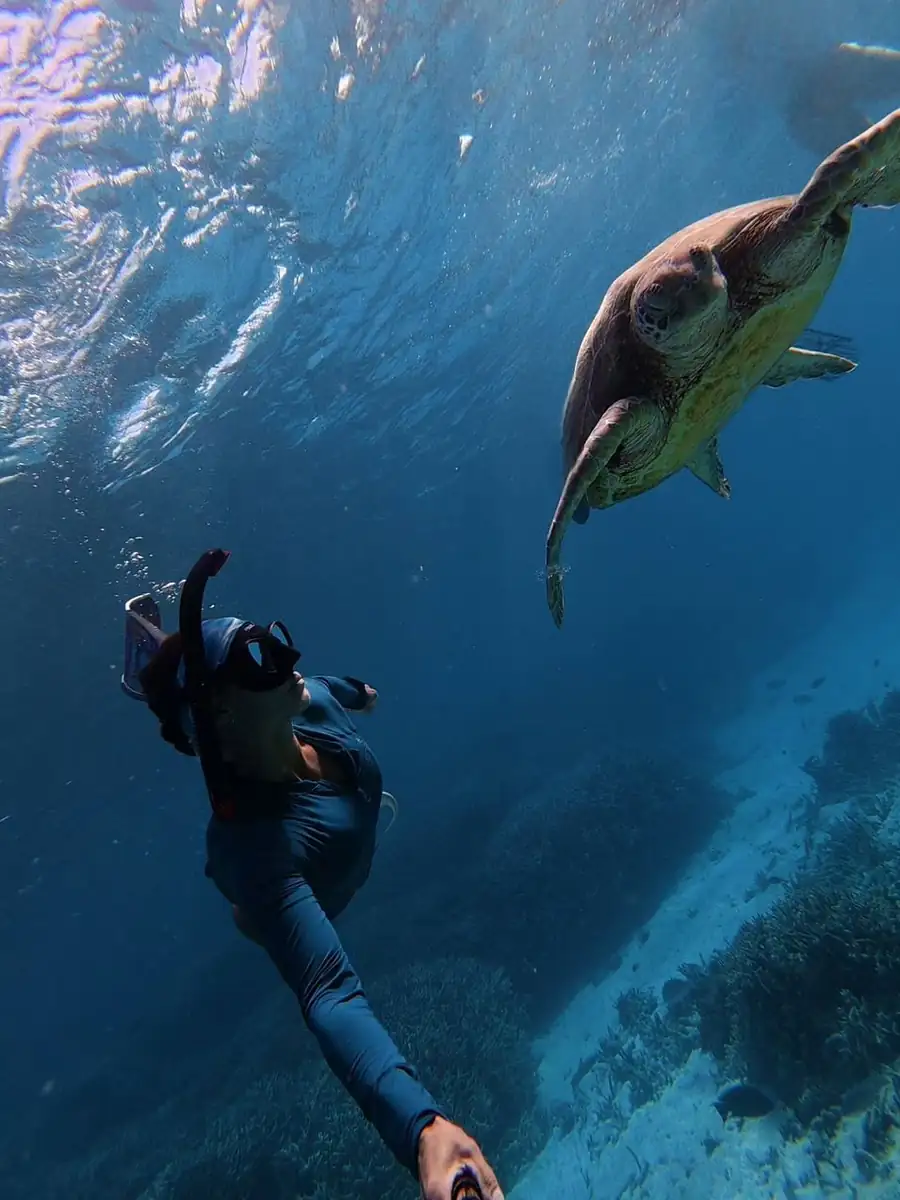
Sleep on the Reef in 2026: Reefsleep vs Luxury Liveaboards – The Real Deal is the no-nonsense breakdown I give to travellers before they book a night on the Great Barrier Reef. I’m Paul, and I’ve been lucky enough to try both – a night of structured fun on a floating pontoon at Hardy Reef, and the multi-day adventure across the Outer Reef on some serious liveaboards with proper scuba diving schedules and private cabins.
If you want the short answer upfront:
- Reef Sleep is a great choice if you want a super laid-back, social one-nighter that sets off from Airlie Beach.
- Luxury liveaboards come out on top if you want to get right into the heart of the reef, see loads more sites, do night diving, and get a real marine immersion from Port Douglas or Cairns.
The rest is just details – and the details really do matter.
Contents
- 1 Two Ways to Experience the Reef
- 2 Access & Depth: What Really Changes Out There
- 3 Marine Life Encounters: What You Might Run Into
- 4 The Departure Point Really Does Matter
- 5 Reef Sleep Vs Liveaboard Comfort
- 6 Looking After The Reef & The People Who Live There
- 7 When Each Option Makes Sense
- 8 The Bottom Line Before You Book Your Trip
- 9 FAQ
Two Ways to Experience the Reef
First off – let’s get one thing straight. One option stays in one place, and the other one moves.
The Great Barrier Reef is a mind-boggling 2,300 kilometres long and covers an enormous area of 344,400 square kilometres – no marketing spin, just a fact. You won’t even get a glimpse of the scale from a single mooring, but you can experience it in different ways depending on how you travel.
Reef Sleep at Hardy Reef – Simple, Social and No Fuss
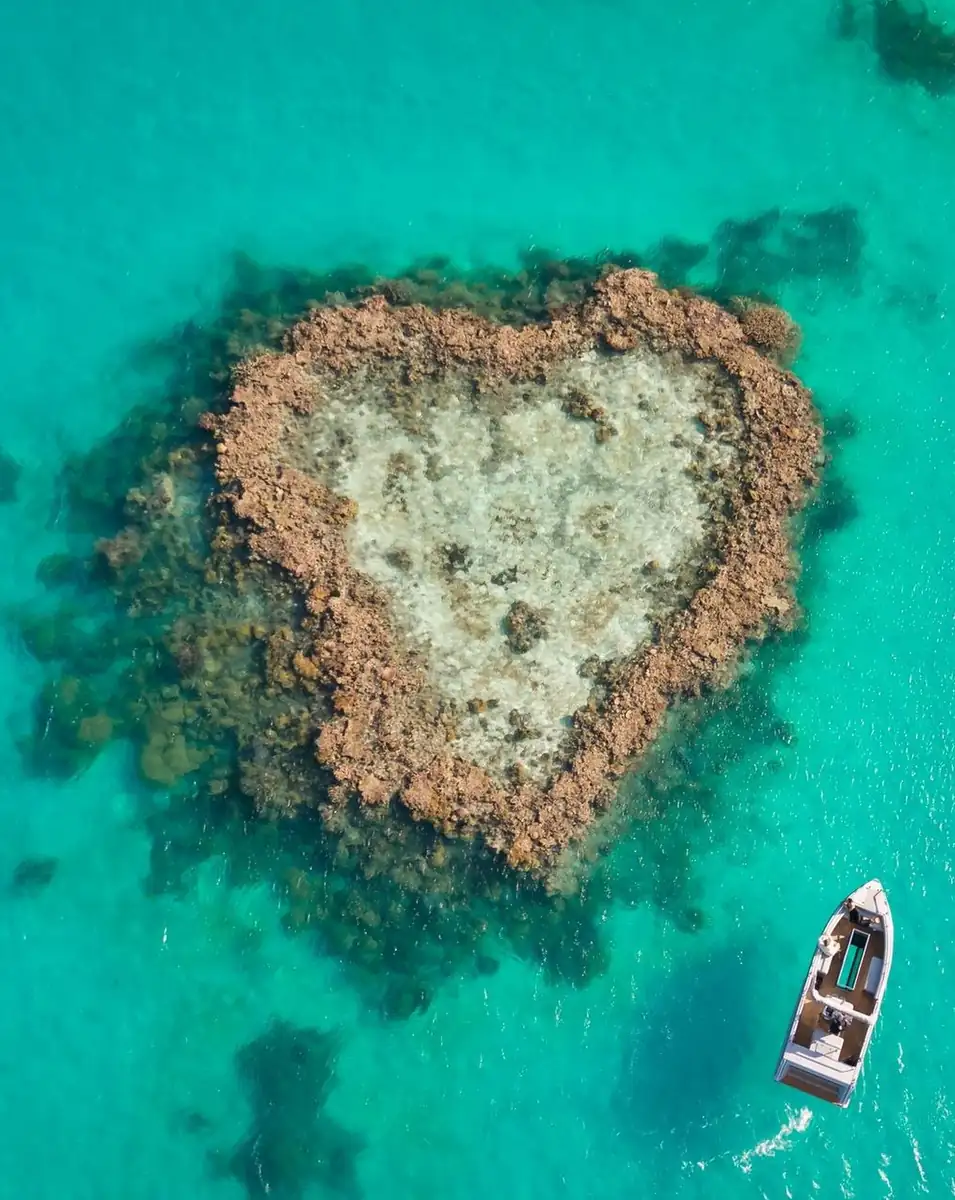
Reef Sleep sets up from a floating pontoon that’s permanently moored at Hardy Reef in the Whitsundays. You can catch a boat from Coral Sea Marina in Airlie Beach or link up from Hamilton Island. During the day, loads of day trips arrive and then head back to shore by late afternoon. Overnight guests get to stay put.
You sleep in a swag-style setup on the top deck. It’s comfy, exposed to the sea breeze and weather-dependent. If the wind’s really howling, they’ll bung on some extra gear to keep you snug. No drama.
Snorkelling sessions run straight out from the pontoon – and all the gear is provided. If you’re not up for swimming but still want to see some marine life, there’s an underwater viewing area with clear panels for viewing below the surface.
It’s all very structured, very controlled, and really easy to do.
Lots of operators, such as Great Barrier Reef Tours, like to bundle Reef Sleep into their Whitsundays sailing itineraries or add on trips to Whitehaven Beach and Hill Inlet. If you’re planning a trip that centres around Airlie Beach, this is a good combo.
Luxury Liveaboards – The Adventure of a Lifetime
Liveaboards like Reef Encounter and Spirit of Freedom set off from Port Douglas or Cairns, and travel between loads of Outer Reef sites over two to seven nights.
You sleep in proper private cabins, some of which come with ensuite bathrooms and fancy dining. You wake up anchored in front of a whole new bit of coral reef every day.
For scuba divers, there are dives a day – normally 3 or 4 – depending on the tides and weather conditions, and night dives when the weather’s good enough. This one thing changes the whole experience.
No floating pontoon, no day-trippers buzzing around – just open water and a new patch of reef every day.
Access & Depth: What Really Changes Out There
The biggest contrast is actually how you get around.
Reef Sleep pretty much sticks at one spot on the Outer Reef, so you get to know that place really well.
A liveaboard, on the other hand, gets to cruise around to several different reef sites – often aiming for different coral formations, bommies, and drop-offs. It’s a pretty observable fact that marine life density and coral diversity all vary between sites – you can literally see the difference in the water.
Here’s the real difference in practice:
| Feature | Reef Sleep (Hardy Reef) | Liveaboard Vessels |
|---|---|---|
| Base | Fixed floating pontoon | Moving vessel |
| Duration | 1 night | 2–7 nights |
| Reef Coverage | Single site | Multiple reef sites |
| Night Diving | No | Yes |
| Cabin Style | Swag deck sleep | Private cabins |
| Ideal For | Couples, short stays | Certified scuba divers |
| Approx. 2026 Cost (AUD) | $750–$900 | $1,200–$3,500+ |
Costs vary by season and inclusions. Marine fuel, marina levies, and crew costs affect pricing.
Marine Life Encounters: What You Might Run Into
Both options drop you in the midst of the marine corridor. But the more you’re able to move around, the more variety you’re likely to see.
You can expect to see:
- A shark or three – reef sharks are pretty common
- Some colourful parrotfish and angelfish
- Giant clams that are just huge
- Turtles
- Manta Rays (but only if you’re visiting during the right season and in the right spot)
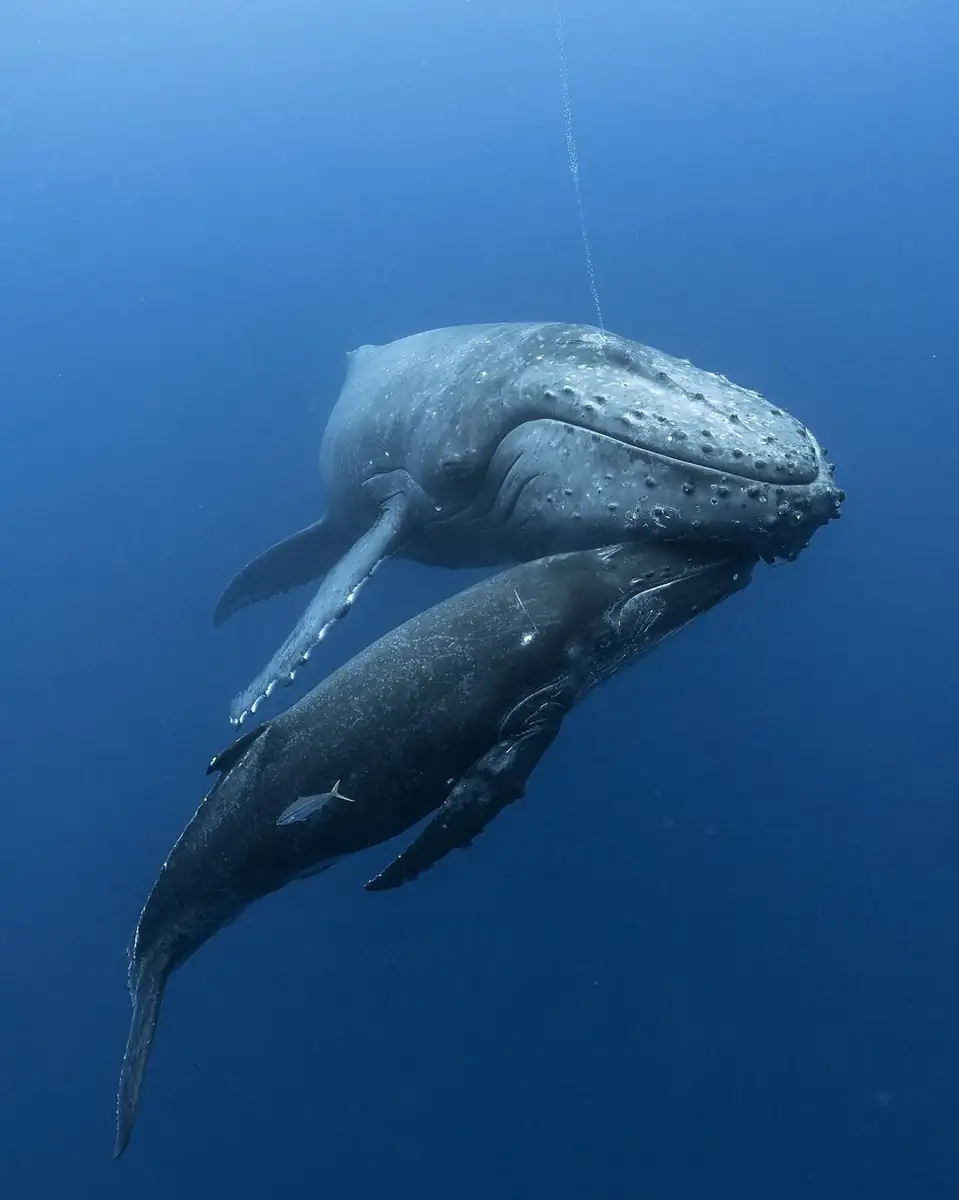
Between June and September, Humpback Whales migrate past Queensland’s coast, and you might even spot some whales or dolphins on the way, especially if you’re on a longer trip further out to sea.
Night dives are pretty cool – you get to see all the reef fish snoozing the night away, crustaceans on the hunt and the bioluminescent display is just amazing. Sadly, Reef Sleep doesn’t offer night dives, but liveaboards do.
It’s worth noting that coral spawning usually happens around the full moon in November. Divers on a multi-night itinerary might catch sight of this incredible event (but it’s totally unpredictable).
The Departure Point Really Does Matter
Where you start your trip can really make a big difference to your experience.
Airlie Beach And The Whitsundays – A Great Starting Point
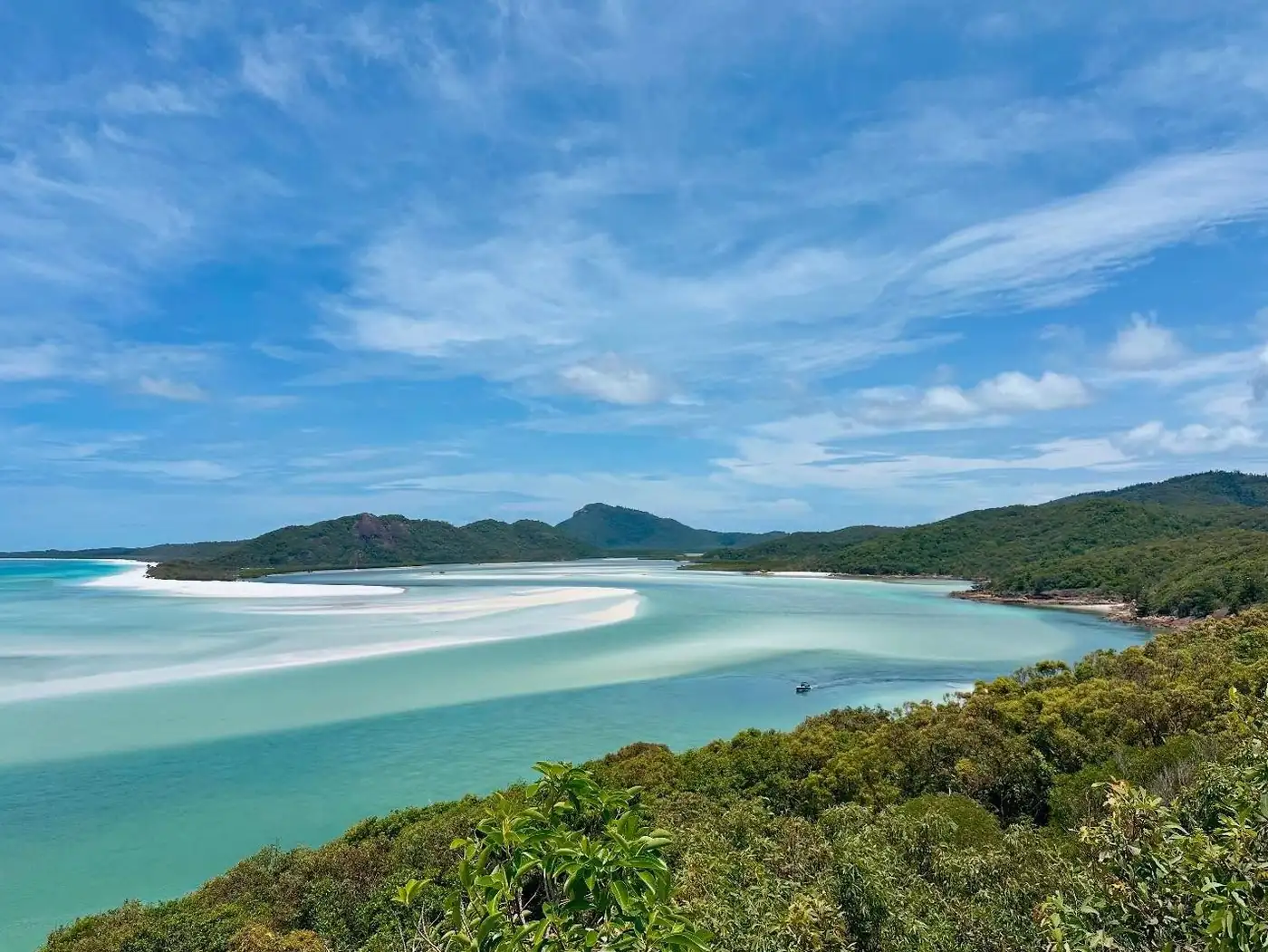
Airlie Beach is really convenient for getting to Hardy Reef, and it also makes it easy to combine a reef trip with some other Whitsunday adventures like:
- Visiting stunning Whitehaven Beach
- Exploring Hill Inlet
- Checking out Nara Inlet
- Hanging out at Langford Island
- Even taking a sunset sail
- Catching a ride on a historic vessel like the Solway Lass
Hamilton Island is just a short hop from Airlie Beach if you want to mix things up a bit.
If you’re looking for a relaxed sailing experience with a lot of beach time, Reef Sleep is pretty hard to beat.
Port Douglas And Cairns – For The Die Hard Divers
Port Douglas gives you easy access to liveaboard boats like Reef Encounter and Spirit of Freedom if you want to get immersed in the reef.
From Cairns, you can combine a reef trip with a visit to Fitzroy Island or even do some inland exploration. Some people even fly over the reef by helicopter before they set off.
If scuba diving is your main thing, then Port Douglas is probably your best bet.
Reef Sleep Vs Liveaboard Comfort
Reef Sleep is social – you’ll be sharing the deck with others. You’ll be exposed to the water against the pontoon, but it’s pretty stable. Just bear in mind that the sea conditions will still be out there, affecting your experience.
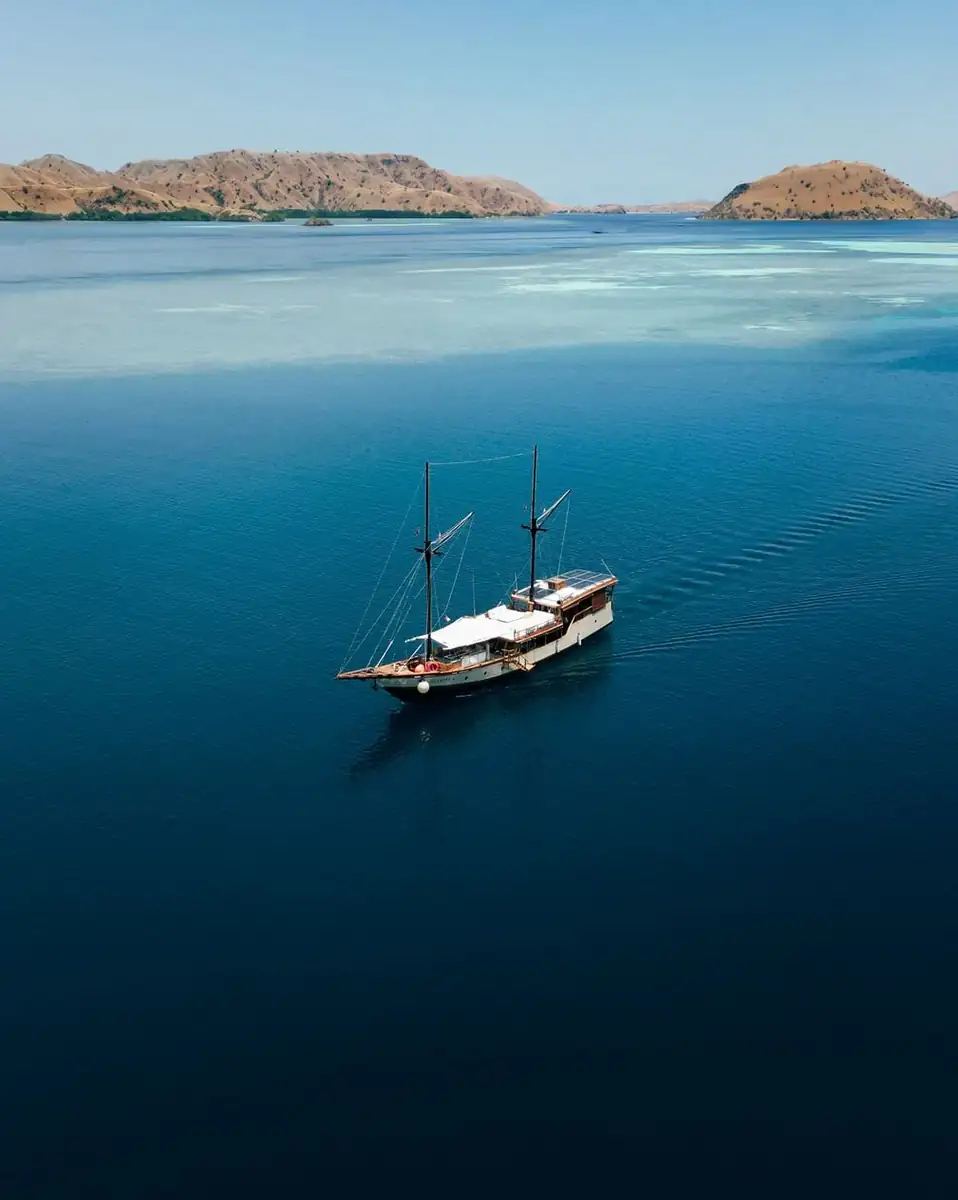
Liveaboards, on the other hand, offer more enclosed cabins, air conditioning and some much-needed privacy. The only thing is, you’re a bit more aware of the motion of the boat, especially when you’re moving between reef sites.
If you’re prone to getting seasick, forget the medication – it’s a good idea to bring it along anyway, even with a floating pontoon & the need for a boat transfer.
I’ve had some clients mix their reef itineraries with other highlights of Australia – from the Royal Botanic Garden in Sydney to the Sydney Opera House, hanging around Circular Quay, checking out the Sydney Harbour Bridge, Queen Victoria Market in Melbourne & the Australian War Memorial in Canberra. But let me tell you, the reef is a whole different story – it’s raw, unpredictable and totally at the mercy of the weather.
Some people decide to take their journey even further – a trip to the Uluru rock, a stay in Coober Pedy, a wine tour of the Yarra Valley or a visit to the Kimberley region, for example. The reef is still one of the highlights of that bigger Australian adventure.
One guest of mine came off a Remote K’gari and Whale Experience Tour before boarding a liveaboard, and the shift from marvelling at sand dunes and whale watching to coral reefs just blew their mind. It was like switching between ecosystems in a week. And that’s what Australia does so well.
Looking After The Reef & The People Who Live There
The Great Barrier Reef is managed under strict rules & regulations, and all operators have to comply with guidelines set by the Great Barrier Reef Marine Park Authority.
Being responsible when you’re out there includes:
- No feeding the wild animals, for goodness sake!
- Keep your hands to yourself when it comes to coral reefs – no touching!
- Don’t use reef-safe sunscreen that’s going to harm the reef, and
- Follow the snorkelling briefings – they’re there for a reason.
Traditional sea country is owned by the Indigenous Australians, so be sure to show some respect for the local knowledge and cultural briefings they offer.
Conservation efforts are still ongoing across the reef, and coral recovery cycles can take years, depending on the region & season. If you can, try to choose eco-certified tours.
When Each Option Makes Sense
Reef Sleep is a good choice for people who are short on time or just looking to mix things up for 1 night – it’s a novelty that really delivers.
It’s also great for the couple looking for a simple, stress-free experience, or for those who want to combine it with a Whitsundays sailing trip.
Liveaboards are a better fit for the certified scuba diver, people with a good few days’ spare time who want to get out there and see the reef in all its glory. And of course, for those who are really keen on night dives.
Neither option is better than the other; they just cater to different needs and wants. I’ve seen people go for Reef Sleep and then join a liveaboard for a deeper reef experience, and others who stick with the simple option and never regret it.
The Bottom Line Before You Book Your Trip
If you’re after a hassle-free, social, and well-organised overnight trip from Airlie Beach with a safe return, then Reef Sleep at Hardy Reef is probably your best bet.
If it’s swaying vessels, private cabins, night dives, and a chance to explore more of the reef from Port Douglas that takes your fancy, liveaboards like Reef Encounter or Spirit of Freedom will give you the real deal.
The Great Barrier Reef is one of those places that demands you tailor your trip to your own expectations – get it right & your time off the coast will really be an experience to remember for years to come. Plans, schedules & comforts all play a role. Plus, don’t forget to factor in any add-on options, like a trip to Remote K’gari and Whale Experience. And btw, don’t get it wrong – Au’s ecosystems shift fast, so map your days out carefully.
Get it right, & your 1 night at sea will be so much more than just another notch on your bucket list.
FAQ
Would a night be long enough to get a proper feel for the reef?
Not really, unfortunately – It’s more of a taste of things to come, liveaboards will give you a much better understanding of what’s going on beneath the waves, and with multiple reef sites, you can get the full picture.
Do I need some scuba experience to do this?
For getting the most out of liveaboards, scuba certification is a must, but beginners can still get involved with introductory dives; the only problem is that certified divers will get so much more out of it.
Will the water be rough on my trip?
It depends on the time of year – winter tends to be calmer, but always make sure you’ve checked the forecast before heading off.
Can I bring my family along?
Reef Sleep tends to be the more family-friendly option, but liveaboards are better suited to adults and confident swimmers.
Are these trips good for the reef and the environment?
We’d say so – licensed operators will stick to the marine park’s rules and do their bit for conservation.