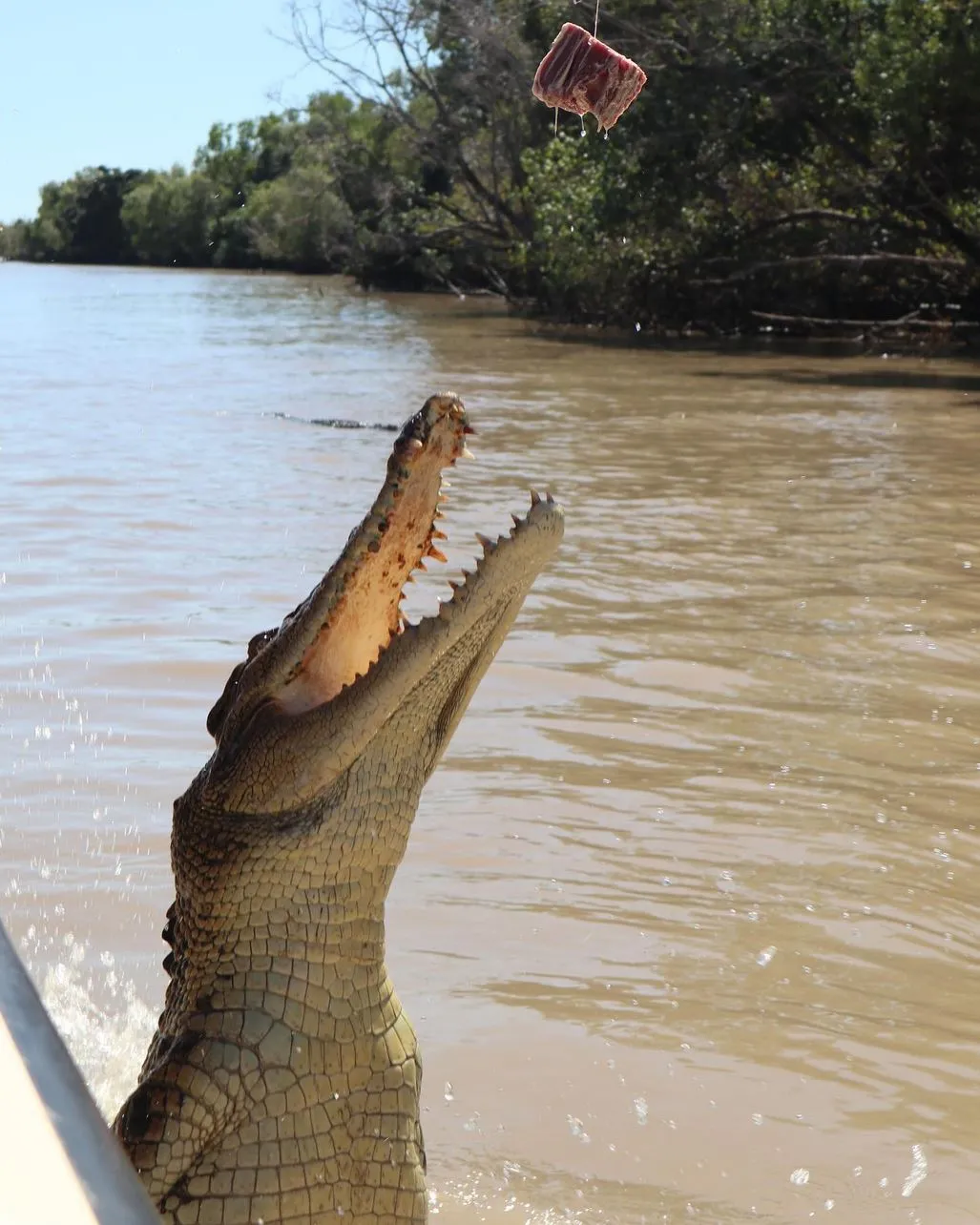
When people ask me What’s the local opinion on the ‘authentic’ Jumping Crocodile Cruise experience on the Adelaide River ?, I know they’re not just looking for some adrenaline-packed fun. They genuinely want to know if this Top End icon is the real deal or just another touristy show on the river. And fair enough. When you’re right there in the middle of croc country, staring out at a waterway where you could easily spot a ripper of a saltwater crocodile, you want to know you’re getting an experience that’s got respect for the animals, the people and the land.
I’ve spent a good chunk of my working life exploring the Northern Territory, running group tours, swapping stories with local skippers and chatting to people who’ve lived and breathed this stretch of the Adelaide River floodplains for generations. So I reckon it’s time I gave you a real rundown – straight from someone who’s been out there more times than they can count, and that includes my thoughts on cruise operators like Jumping Crocodile, the old Adelaide River Queen, and those sorts of moments that people love to rave about.
Contents
- 1 What Locals Say About Adelaide River
- 2 How “Authentic” Is the Experience, Really? Here’s the Local Lowdown
- 3 What Makes the Adelaide River Really Stand Out?
- 4 What You Actually Witness in Croc Country
- 5 How Good Crews Keep It Ethical
- 6 A Yarn About the Day a Croc Put the Respect in Me
- 7 Do Locals Really Think It’s Safe?
- 8 Local Concerns: The Balanced View
- 9 Who Is This Experience Actually For?
- 10 Local Tips for Getting It Right
- 11 Random Moments On “Jumping Crocodile Tour”
- 12 Final Thoughts From Paul
- 13 FAQ
What Locals Say About Adelaide River
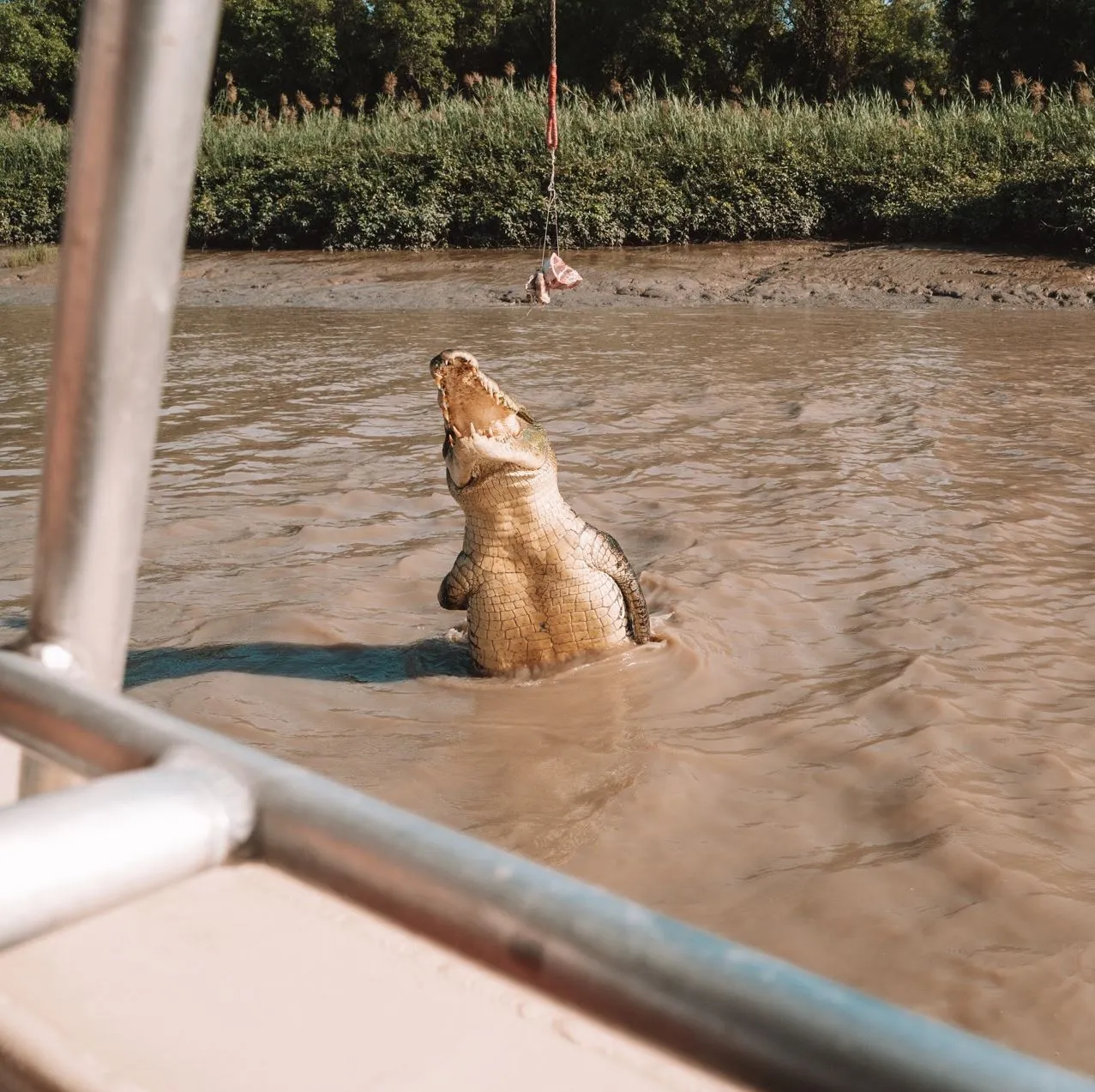
I reckon the majority of locals I’ve spoken to fall into one of two camps: those who reckon “it’s as Territory as it gets”, and the “leave the crocs alone” crowd. But both of these groups come from a place of deep respect for the animals, because for us up here, saltwater crocodiles aren’t just wildlife – they’re our neighbours, and they’ve got a serious bite.
But overall, a well-run boat cruise is one of the safest ways to see salties in their natural habitat, and you get a front row seat to all the behaviours that’d have you thinking’ good on ya’ if you were sitting on the riverbank. Plus, you get to stay dry, and the crocs stay wild, which is exactly how it should be.
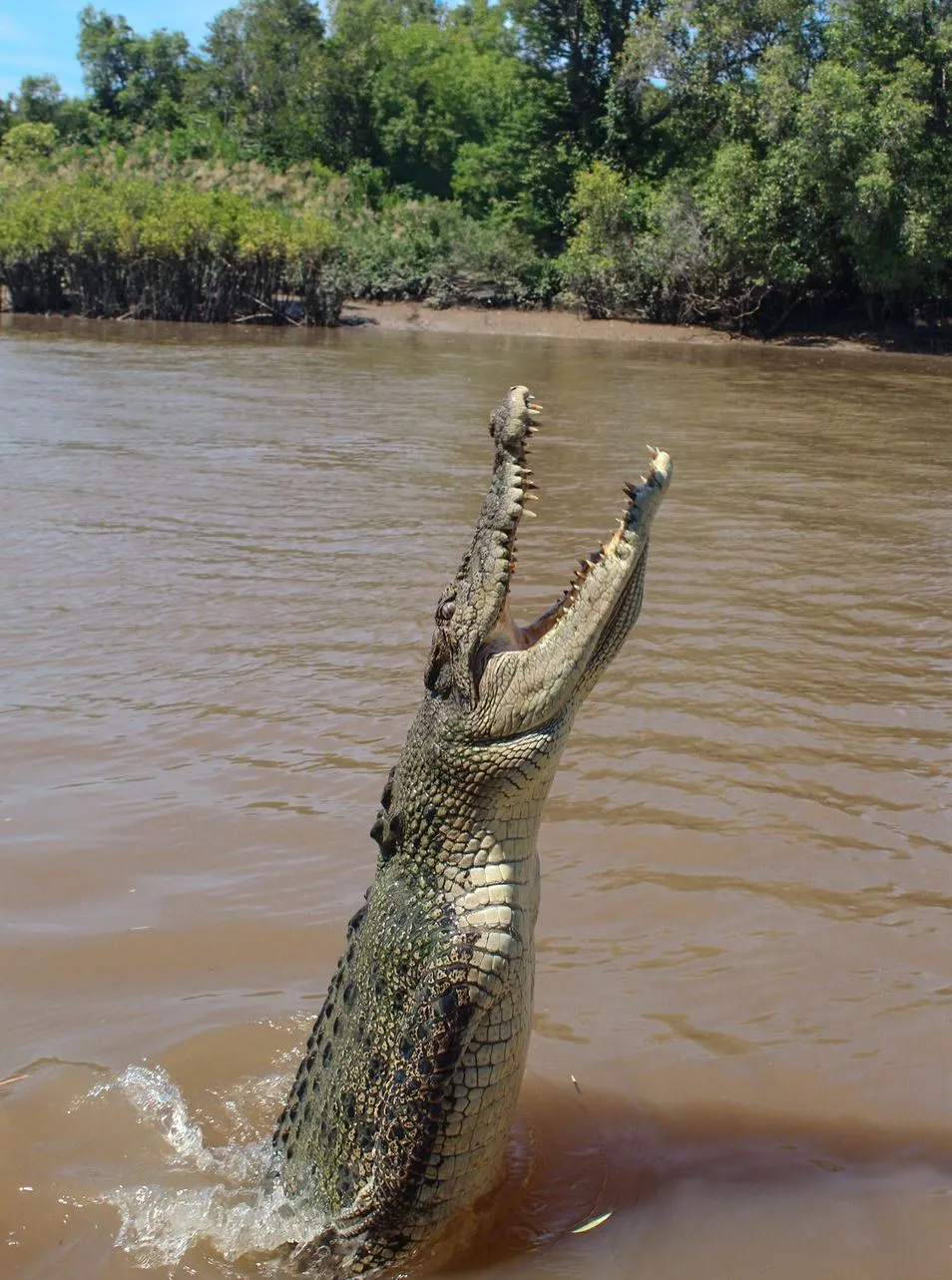
And let me tell you, watching a 5 metre fella launch out of the water like a scaly torpedo is a pretty defying experience – all the debate about whether the experience is “authentic” or not tends to fade into the background after that.
How “Authentic” Is the Experience, Really? Here’s the Local Lowdown
I reckon “authentic” is a word that gets used a fair bit these days, but to me, in the NT, it all comes down to four things:
- you see the real deal (no captive crocs, no scripted stunts)
- you get local knowledge from people who actually know how crocs behave
- there’s respect for the land and the culture of the people who live here
- you’re safe out there – the whole thing doesn’t turn into some sort of wild west show
From what I’ve seen, and from what locals tell me over a cold one in Humpty Doo, the decent operators tick all those boxes. And to me, the key is making the right choice and picking the right operator.
What Makes the Adelaide River Really Stand Out?
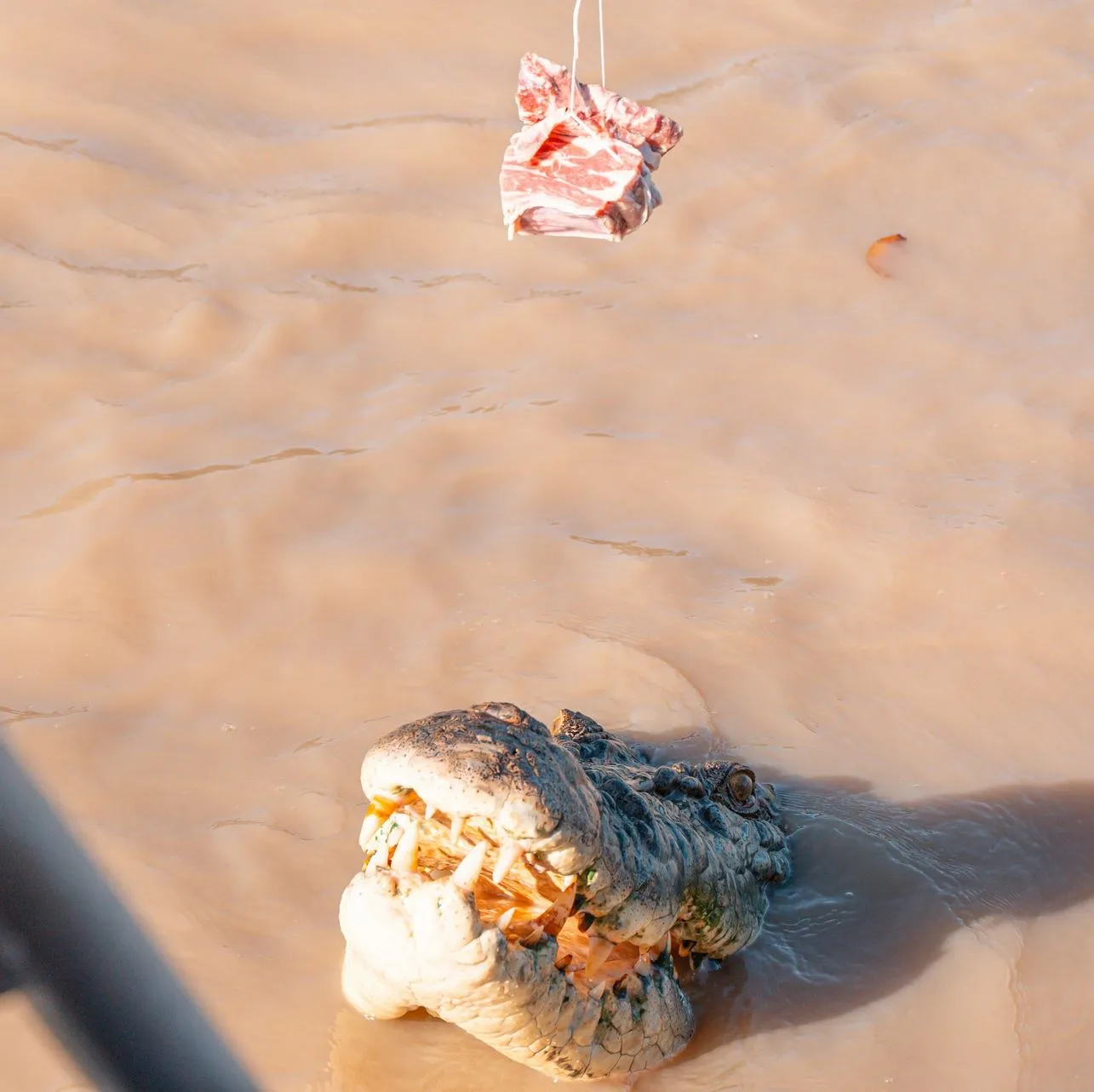
The Adelaide River isn’t just another pretty face – it’s one of the most crocodile-infested rivers in the entire Top End. We’re talking 80,000 saltwater crocodiles in the Northern Territory (NT numbers are pretty staggering, by the way) – with the Adelaide River being a special hotspot, all thanks to some pretty perfect conditions: it’s got super fertile floodplains, reliable food sources, and water that’s always just right for our scaly mates.
Why this river is just perfect for crocodile cruises:
- The wide, calm bits are just made for those purpose-built river punts – the kind that’ll get you up close and personal with the crocs
- People who go on these tours tend to see an awful lot of wildlife – we’re talking 5-15 crocodile encounters per tour on average
- And let’s not forget all the Aussie birds that live in and around the wetlands – you won’t be bored on one of these cruises, that’s for sure
- Plus, you get to learn from the experts – wildlife experts who’ve literally spent decades learning about this kind of thing in the Territory
It’s not exactly a posh tourist destination. It’s not all glitz and glamour. But that’s part of what makes it so real.
A Glimpse of the Numbers
Here’s a quick rundown of some numbers, based on NT tourism data and what the local operators have been telling us (all as of 2024, mind you – but keep in mind that these numbers will probably change with the seasons).
| Experience Factor | Typical Range / Notes | Source / Context |
|---|---|---|
| Avg croc sightings per tour | 5–15 saltwater crocodiles | NT wildlife monitoring |
| Cruise duration | 1–1.5 hours | Adelaide River Cruises |
| Distance from Darwin | ~65 km | Stuart Highway travel |
| Jumping behaviour likelihood | High in the dry season | Local operator reports |
| Bird species commonly seen | 30–50 species | Adelaide River floodplain surveys |
Stats can shift around a bit during the wet season when the river starts to swell, and crocs start making their way across the floodplains.
What You Actually Witness in Croc Country
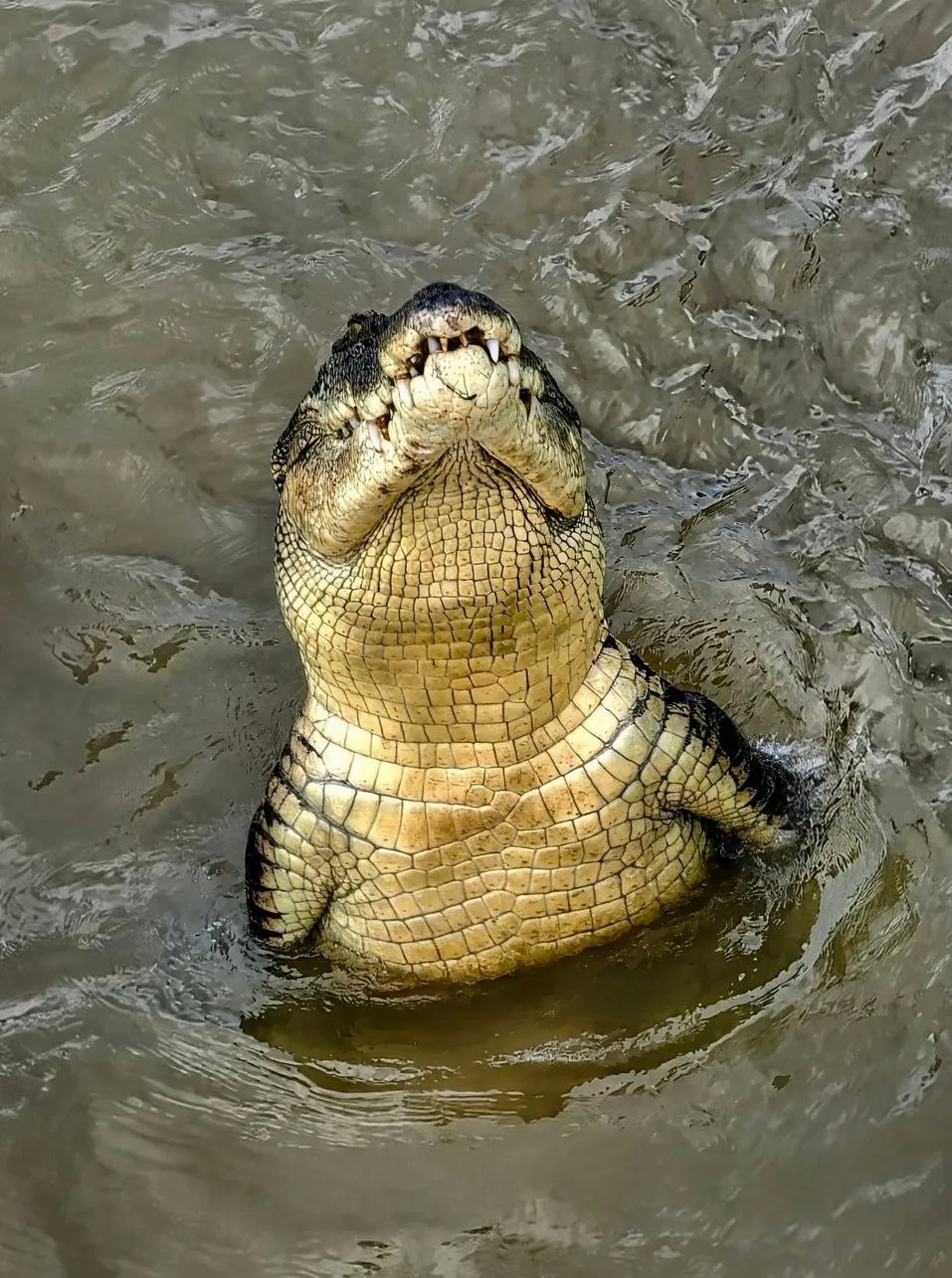
On a good, well-run Jumping Crocodile Cruise, you’re stuck watching:
Crocodile Antics
- They stalk, all silent and slow
- Take to the surface for a casual cruise
- Defend their territory with gusto
- And yes, that famous vertical leap, known as jumping
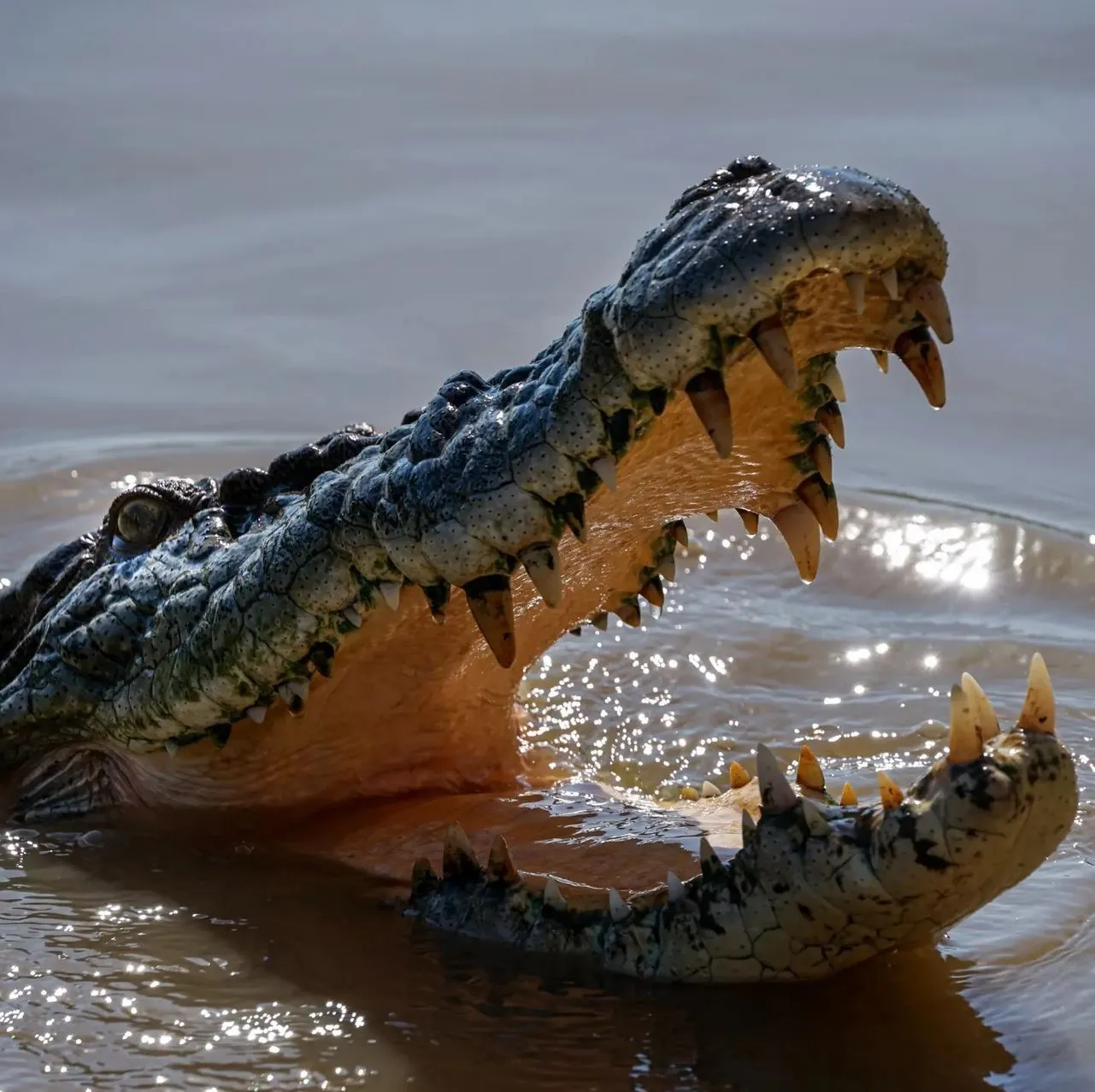
Watching a 500kg saltie rear up and show its face has serious “wow” factor. I’ve been out with some adventurers who thought they couldn’t be scared by anything – that is, until the croc stuck its head higher than the viewing deck.
Other Wildlife Busting Out On the Water
You’ll likely spot some of the following:
- Jabirus is out for a stroll
- Whistling kites soaring overhead
- Sea eagles and kingfishers are looking all sorts of regal
- Magpie geese waddling about in the mud
- A goanna or two are keeping an eye on the scene from the side
And then there’s the wildlife – this isn’t a zoo, people. Everything is wild, unpredictable and running to its own schedule.
How Good Crews Keep It Ethical
Not all cruise operators are created equal – this is for sure. Locals know the difference, and they can spot a good crew from a bad one a mile off. Reputable outfits understand the croc-feeding protocols, have their Wildlife Permits sorted, and follow every guideline to a “T”. They work closely with NT Parks and make sure you know what you’re getting yourself into.
A good crew will tell you why the crocs jump and how they do it. They don’t overfeed them, and they won’t encourage dependency. You’ll get commentary that’s got history, Aboriginal culture and danger zones written all over it. You might even learn a thing or two about how salties patrol the river like some underwater bouncers.
Look for an operator that has:
- A venue to launch and land from that’s been licensed
- A boat that’s been designed properly, with viewing decks that can take a pounding
- A wildlife expert or guide on board to give you the lowdown
- Safety briefings before you even set off
- And a pretty strict “no hands outside the boat” rule – don’t even think about arguing with that
Some standout operators like Jumping Crocodile Cruise and Adelaide River Cruises tend to get the nod from locals as the ones to trust.
A Yarn About the Day a Croc Put the Respect in Me
I still remember the day I was guiding a group near the Adelaide River Queen when a salty, the locals call “Two-Bar”, swam past our punt. The skipper nudged me and whispered, “Watch this. The croc lifted half its body right out of the river – all calm and controlled, not a bit aggressive, just a reminder that the saltie’s the one in charge around there.
Moments like that stay with you, and that’s why I tell people not to turn their backs on the river, not to get too cocky, and not to ignore the skipper. They’re not being dramatic; they’ve seen things.
Do Locals Really Think It’s Safe?
The short answer is yes, but only if you pay attention. This is crocodile country, after all. Nothing’s ever 100% safe – the roads, the tides, the wildlife – but these tours are designed with safety in mind: punts that are made for river work, high railings and viewing decks, skippers that know the water like the back of their hand, and all the safety procedures you’d ever need are in place.
Local Concerns: The Balanced View
Some locals are worried that crocodile jumping might disrupt the natural order if it’s not done with care. Others reckon, too, that too many tourists don’t take the risks in croc country seriously enough.
But the majority agree – a well-run, respectful crocodile experience really helps people get a handle on these animals, rather than scaring them off. And that understanding is a big part of conservation – especially when visitors are finished with their cruise and want to learn more about these magnificent creatures at places like Crocosaurus Cove or by getting a guided tour from an ethics-driven outfit like Autopia Tours.
Who Is This Experience Actually For?
You’ll have a blast on this trip if you’re:
- all about Aussie wildlife
- into snapping photos of wildlife
- curious about how crocs behave
- up in the Top End with family or mates
- looking for a quick dose of adventure close to Darwin
- just a thrill-seeker wanting to experience the NT
If you’re expecting a relaxing sunset wine cruise… this isn’t it.
Local Tips for Getting It Right
Some Territory truths to help you get the most out of your day out:
-
The Dry Season’s the Best Time
You’ll see a lot more crocodile jumping in the dry season because the water levels drop and the crocs hang out in predictable spots.
-
Morning Sessions Are the Way to Go
The air is cooler, the crocs are more active, and you get better photos
-
Don’t Forget the Cultural Angle
Ask your skipper about the Aboriginal culture, the Dreaming stories and the connection the Traditional Owners have with the river.
-
Go for Quality Over a Bargain
Look for operators with skippers who know their stuff and who care about the environment. Jumping Crocodile Cruise usually does things right.
-
Don’t Even Think About Not Keeping Your Arms In
This is not an invite to get lazy – the crocs are fast, and they don’t muck around.
Random Moments On “Jumping Crocodile Tour”
Some extra shots because you asked for them:
- I once saw a family on the Jumping Crocodile Tour go from being all nervous to full-on cheering as a big male launched itself clean out of the water.
- If you haven’t heard a skipper cackling away on a Jumping Crocodile Tour, then you’re missing half the fun – those blokes & sheilas love the river like it’s family.
- You learn something new every time on a Jumping Crocodile Tour, whether it’s spotting nesting banks or reading ripples before a croc pokes its head up.
Final Thoughts From Paul
If you really want to get a feel for the Territory, then you need to go out and meet the locals – and the ones you’ll most likely bump into are the saltwater crocodiles. A Jumping Crocodile Cruise is a great way to do it – one of the best and safest in the Territory – and it’s one of the most authentic ways to get up close and personal with these incredible creatures. Locals will tell you that the best tours strike a balance between giving you an adrenaline rush and teaching you something about the country and its fantastic wildlife. And that’s just what these tours do.
If you’ve still got questions or need some help fitting one of these cruises into your NT trip, then give me a shout. I’ve spent years showing tourists around this great big, sun-scorched corner of Australia – and I’m always happy to share a yarn or two with you when we sit down to a cuppa.
FAQ
Do crocodile cruises do any harm to the animals?
No, not when they’re run properly. The people who are allowed to do these tours have to stick to strict rules about feeding the crocs and how often they get to jump for the tourists.
Is it safe for the kids?
It is if you keep an eye on them. The boats are enclosed, and the skippers make sure everyone stays well back from the side.
What’s the best time to go on a cruise?
If you want to see the crocs jumping and the wildlife out in force, then the dry season is your best bet – that’s May to October.
Will you definitely spot a crocodile?
You’d be pretty unlucky not to see one – the Adelaide River is chock full of salties. But I’m not gonna lie to you, there’s always a bit of luck involved with wildlife spotting.
What makes one tour operator stand out from the rest?
Some of them are all about teaching you about the wildlife and the ecology – others are more about putting on a show. Look out for tours that have got their Wildlife Permits in order, skippers who know what they’re doing and some excellent local reviews.